What Happens After You Book a Senior Photo Session?
Once the date is reserved, the question is no longer when the senior pictures will happen. The focus shifts to what needs to be decided before the first photograph is taken. A senior photo session should not require the family to arrive with every pose, background, and detail already mapped out. At the same time, the photographer cannot create a useful plan from a date and a name alone. The period between booking and the photography appointment is when broad ideas are narrowed into choices that fit the senior, the location, and the available time. For families booking senior photography in Pittsburgh, understanding that process can make the experience easier and prevent the most important decisions from being left until the night before.
The Booking Confirms the Date, Not the Entire PlanReserving the session establishes the photography date and gives everyone a deadline to work toward. It does not mean the senior needs to have every outfit purchased or know exactly where every photograph should be taken. Those decisions can develop gradually. The first information the photographer needs is usually straightforward: the senior’s school, general availability, preferred setting, interests, and any photographs the family already knows it will need. A yearbook submission may require a particular crop or background. Graduation announcements may call for wider images. A parent may want a traditional portrait for the home, while the senior may prefer something less formal. The purpose is not to create a long assignment for the family. It is to identify the photographs that should not be missed. This is also the point when special circumstances should be discussed. That may include accessibility needs, sensitivity to heat, concerns about walking long distances, a location that requires permission, or a personal item that will take additional time to photograph. The photographer can plan around those details when they are known in advance. They are much harder to solve after everyone has arrived.
The Photographer Starts Building the Session Before the Camera Comes OutA senior session may look spontaneous in the finished photographs, but the route through the location should have some structure. The photographer considers where the light is likely to fall, which backgrounds will work with each outfit, how much walking is required, and whether the location provides enough visual range for the scheduled time. A Pittsburgh senior photo location might include stone buildings, bridges, steps, greenery, alleys, painted walls, or open views within a relatively small area. That variety is useful, but only when the route makes sense. Walking back and forth between the same areas wastes time and can make an otherwise manageable session feel disorganized. The photographer may also consider which part of the location should be used first. Some backgrounds look better earlier in the evening. Others may become less crowded later. A school entrance may need to be photographed before an athletic event begins, while a city location may be easier to use after commuter traffic decreases. These decisions are rarely visible in the final gallery, but they affect how much can be accomplished without rushing.
Location Ideas Become a Practical RouteFamilies often begin with a general preference such as a park, school campus, urban setting, or Pittsburgh landmark. The next step is determining whether that location works for the actual session. A visually appealing place may have limited parking, no private changing area, heavy pedestrian traffic, or long distances between usable backgrounds. A campus may restrict access to certain buildings. A popular overlook may be crowded at sunset. A location that appears close on a map may involve hills, stairs, or several blocks of walking. The photographer’s role is to consider both appearance and function. This does not mean the most recognizable location is automatically the best choice. A quieter section of a campus or neighborhood may provide better light and greater flexibility than the landmark everyone else is using. Once the location is selected, the family should know where to meet, where to park, and whether everyone will remain in one area or move between nearby spots. Clear instructions matter, especially when the session begins close to the best available light. Outfit Choices Are Reviewed as Part of the Photography PlanAfter booking, seniors often begin thinking seriously about clothing. The photographer does not need to choose the outfits, but it helps to know what is being considered. Clothing affects the order of the session. A formal outfit may work best against architecture, steps, or a clean background. A letterman jacket may make sense near the school. A relaxed outfit may fit a park, bridge, or city setting. Large clothing changes can also require more privacy and more time than adding a jacket or changing a shirt. The goal is not to create rigid rules about what the senior should wear. It is to make sure the clothing works with the location and that each change creates a noticeable difference in the gallery. Two outfits that are nearly identical in color, fit, and formality may not provide as much variety as expected. On the other hand, bringing too many options can lead to decisions being made during paid photography time. Sending outfit photographs ahead of the appointment can help the photographer recommend an order and identify any practical concerns. That might include a color that blends into the planned background, shoes that will be difficult on uneven ground, or an outfit that will require a nearby changing area. The final choices should still feel appropriate to the senior. The photographer’s input is there to help those choices photograph well. Personal Items Need a Specific Place in the SessionA senior may want to include a sports uniform, musical instrument, letterman jacket, artwork, books, vehicle, or another part of school life. Once the session is booked, the question becomes how that item will be used. An instrument may only need one focused portion of the shoot. A car requires enough open space to position it safely and avoid distracting reflections. Athletic photographs may work best at a field or court, which can affect the route and session timing. A large item may also require another person to transport or hold it when it is not being photographed. Planning this beforehand keeps the personal detail from controlling the entire appointment. It also allows the gallery to include photographs that are connected to the senior’s interests alongside portraits that remain useful after high school.
Weather Decisions Become More Specific as the Date ApproachesOutdoor senior photography in Pittsburgh requires some flexibility, but a forecast does not need to be treated as final several days in advance. Weather changes. Rain percentages shift. A day that initially looks unusable may become cloudy and comfortable, while an apparently clear forecast can develop into heat, strong wind, or thunderstorms. The photographer should review the conditions close enough to the session to make a useful decision. Cloud cover alone is not necessarily a reason to reschedule. It can provide even light and reduce harsh shadows. Brief rain may pass before the appointment. Wind, extreme heat, sustained rain, or unsafe conditions may require a time adjustment, alternate location, or new date. Families should know how weather communication will be handled so they are not left guessing. The decision should account for safety, appearance, location conditions, and the likelihood of creating a complete gallery. A backup plan does not need to mean moving immediately into a studio. It may involve changing the starting time, selecting a sheltered architectural location, or using another available date.
Final Instructions Should Reduce UncertaintyAs the appointment gets closer, the family should receive the information needed to arrive prepared. That includes the meeting location, start time, parking instructions, and any details specific to the area. The senior should know what to wear first and whether additional outfits should be placed on hangers, folded in a bag, or brought in a garment cover. Small preparation details can save time. Clothing can be steamed in advance. Shoes can be checked for comfort. Personal items can be gathered in one place. Hair, nails, grooming, and makeup decisions can be completed without turning the hours before the session into a series of errands. The senior does not need to practice poses. Knowing how to stand, where to place the hands, or what expression to make is part of the photographer’s direction during the appointment. Preparation should help the senior arrive ready, not make the photography feel rehearsed.
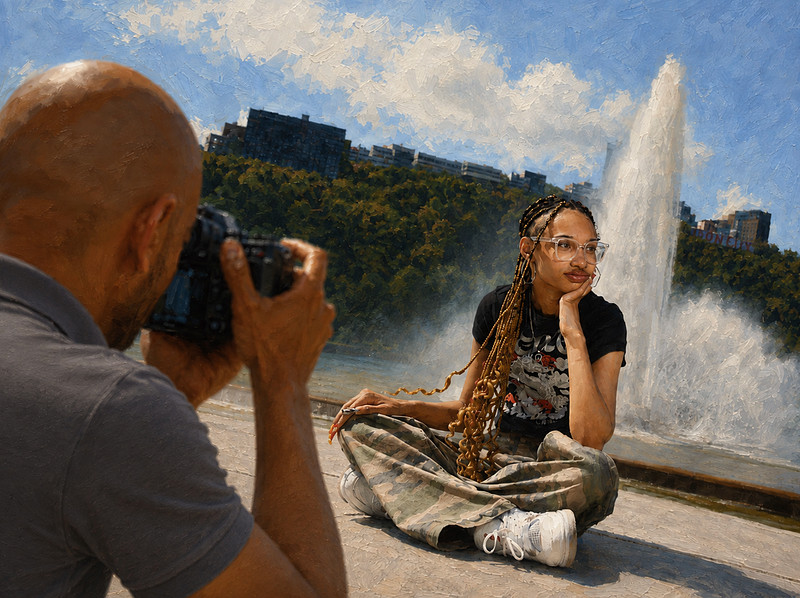
The Session Has a Structure Without Following a ScriptWhen the appointment begins, the photographer will usually start with simple positioning and make adjustments from there. The early photographs allow the senior to become familiar with the direction, the pace, and the camera. The photographer can see how the clothing moves, how the light affects the face, and which angles work best. From there, the session may move between closer portraits, full-length photographs, seated positions, walking, changes in expression, and different sections of the location. The photographer should provide enough direction that the senior is not left wondering what to do. That may include where to look, how to shift weight, what to do with the hands, and when to move. The direction should also leave room for natural reactions rather than forcing the same expression into every frame. Parents are welcome to be present, but the photographer should remain responsible for directing the session. Too many instructions from several people can make the senior uncertain about where to look or whose direction to follow. A parent can still help with clothing, hair, personal items, and noticing details that matter to the family.
The Work Continues After the Session EndsThe photographs are not delivered directly from the camera. After the session, the photographer reviews the full set of images and removes test frames, duplicates, missed expressions, and photographs that do not meet the final standard. The strongest images are selected based on expression, focus, composition, movement, and how well they contribute to the gallery as a whole. The selected photographs are then edited for consistent color, exposure, contrast, cropping, and overall presentation. This stage is one reason several nearly identical images may not appear in the final gallery. A complete senior gallery should provide meaningful variation rather than every frame taken during the appointment. Once editing is complete, M4J Photography delivers the finished photographs through a password-protected online gallery. Clients receive a complimentary print release and can also order professional prints through the gallery. The delivery timeline is provided with the session details so families know when to expect the completed photographs.
What the Family Should Do When the Gallery ArrivesThe first step is to download and safely store the photographs according to the gallery instructions. Families can then identify images for the yearbook, graduation announcements, framed prints, gifts, school programs, and the graduation party. The senior may choose different photographs for social media or an early professional profile. Viewing the complete gallery before making selections is useful. The strongest image for a large wall print may not be the same one chosen for a yearbook crop or announcement. Print decisions should also account for orientation. A horizontal photograph may work well above a mantel or inside an announcement design. A vertical portrait may fit a framed display, yearbook layout, or graduation-party board more naturally. The gallery is designed to give the family options rather than require one photograph to serve every purpose.
Booking Senior Photography in PittsburghBooking the appointment establishes the date. The time afterward is used to make the session specific, practical, and organized. M4J Photography works with seniors and families throughout Pittsburgh and the surrounding areas to plan locations, clothing changes, personal details, session timing, and the final gallery. Once the date is reserved, communication continues through the planning process so the senior knows where to arrive, what to bring, and what to expect during the photography. Contact M4J Photography with the senior’s school, preferred season, availability, and general ideas to check current senior-session dates.
Keywords:
after booking senior pictures,
Class of 2027 senior pictures Pittsburgh,
high school senior photographer Pittsburgh,
high school senior photography Pittsburgh,
how senior photo sessions work,
M4J Photography,
M4J Photography Pittsburgh,
M4J Photography senior sessions,
outdoor senior pictures Pittsburgh,
Pittsburgh senior photographer,
Pittsburgh senior photography,
Pittsburgh senior pictures,
professional senior portraits Pittsburgh,
senior photo consultation,
senior photo editing process,
senior photo gallery delivery,
senior photo outfit planning,
senior photo session preparation,
senior photo session process,
senior photo session timeline,
senior photographer near me,
senior photographer Pittsburgh,
senior photography experience,
senior photography Pittsburgh,
senior picture gallery,
senior picture location planning,
senior picture planning process,
senior pictures Pittsburgh,
senior portrait photographer Pittsburgh,
senior portrait session Pittsburgh,
senior portraits near me,
senior session planning
Comments
No comments posted.
Loading...
|