What Pittsburgh Businesses Need From Branding Photography Today
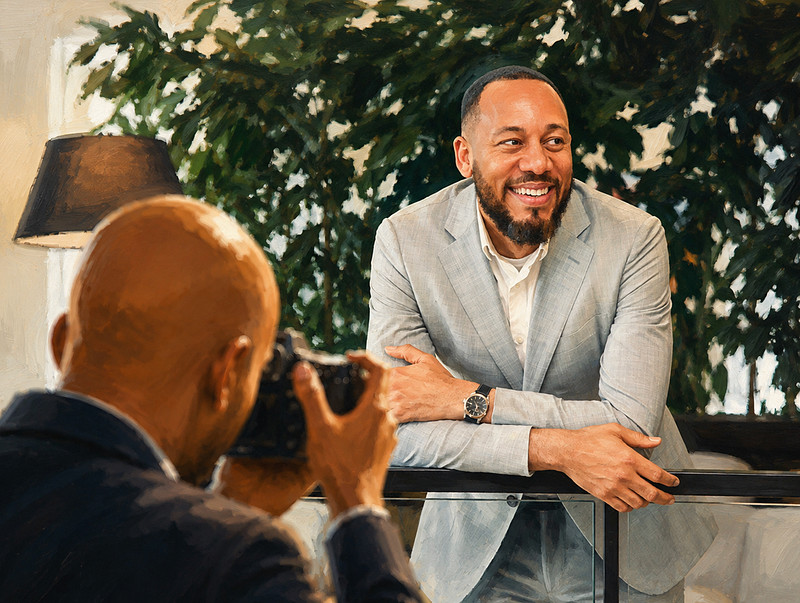
A professional headshot remains important, but many businesses need photographs that do several different jobs. A LinkedIn profile may require a clear portrait. A company website may need wider images with room for text. A recruiting campaign may need photographs of employees working together. A press announcement may call for leadership portraits, while social media may require closer, vertical compositions. This is why branding photography should begin with the ways a business plans to use its images. The goal is not to follow a visual trend or create a gallery that looks impressive for a few weeks. The photographs should accurately represent the company, its people, and the way it operates. For professionals and organizations planning branding photography in Pittsburgh, that usually means creating a coordinated set of images rather than relying on one headshot for every platform.
Begin With What the Photographs Need to AccomplishBefore discussing locations, clothing, or poses, it helps to identify where the photographs will appear. A business may need images for its website, LinkedIn, staff biographies, press releases, presentations, advertisements, email campaigns, recruiting materials, and social media. Each format places different demands on the photograph. A website banner may require a horizontal composition with open space around the subject. A speaker biography may need a closely framed professional portrait. A recruiting page may benefit from employees interacting in the workplace rather than another row of individual headshots. Planning these uses before the session allows the photographer to create intentional variations instead of trying to crop the same image into every format afterward. A strong personal branding photography session may include a traditional headshot, environmental portraits, working images, wider compositions, and closer details. For a company, the gallery may also include staff photographs, leadership portraits, the workspace, and selected interactions that show how the organization functions.
Professional Images Can Still Be SpecificTraditional professional headshots continue to serve an important purpose. Law firms, financial institutions, healthcare organizations, universities, and corporate teams often need consistent portraits with controlled lighting and uncluttered backgrounds. The problem is not formality. The problem is using photographs that could belong to almost any person or company. A financial advisor can have a polished headshot while also being photographed in the office where clients meet with them. An attorney may need a consistent portrait for the firm’s staff page, along with photographs in a conference room or another part of the workplace. A real estate professional may benefit from images that include recognizable Pittsburgh architecture or the neighborhoods they serve. Those settings provide useful information. They show where the person works, how the business presents itself, and what clients may encounter after making contact. The most effective approach depends on the profession. A creative business may use stronger color and movement. A healthcare provider may need a calmer setting and a restrained visual direction. A corporate team may prioritize consistency, while an independent consultant may need a wider range of photographs for speaking engagements, media features, and online marketing.
A Branding Gallery Should Include More Than One Type of PortraitUsing the same headshot on every platform can make a business appear visually limited, even when the photograph itself is strong. A more useful gallery includes several levels of formality. The essential professional portrait provides a dependable image for LinkedIn, staff directories, proposals, media biographies, and other formal uses. Environmental portraits add context by placing the person in an office, storefront, studio, venue, or another relevant setting. Working photographs can show a professional reviewing plans, preparing for a presentation, meeting with colleagues, or performing a recognizable part of the service. These scenes are usually directed enough to maintain clean lighting and composition, but they should still resemble something the person would realistically do. Detail photographs may include tools, products, signage, hands at work, architectural features, or other visual elements that support the larger gallery. Wider images can establish the location and give website designers room for headings or text. Together, these photographs provide more options than a collection of small variations from one pose.
Original Business Photography Should Reflect the Actual OrganizationStock images can fill an empty section of a website, but they do not show the company a client will encounter. A generic meeting photograph cannot introduce the employees who will handle the work. A staged office image cannot show the company’s actual space. A model using an unrelated product cannot explain how the real business operates. Original business photography can document the owner, staff, workplace, equipment, services, products, and client-facing areas that distinguish one organization from another. This is particularly important for service-based businesses. Clients may be evaluating the qualifications of an attorney, consultant, therapist, financial professional, healthcare provider, photographer, or nonprofit leader, but they are also considering the person who will deliver the service. Specific photographs help remove uncertainty. They give a prospective client a clearer idea of whom they may meet, what the environment looks like, and how the business presents itself. For local companies, the location itself may also be relevant. Branding photography in Pittsburgh can incorporate an office, storefront, development, neighborhood, or architectural setting that connects the business to the area it serves.
Team Photography Needs Consistency Without Making Everyone IdenticalA company website can lose visual continuity when staff photographs come from different years, photographers, lighting conditions, and image crops. One employee may have a formal studio portrait. Another may be shown in a vacation photograph. A third may be represented by a tightly cropped image from a group event. Even when the individual photographs are acceptable, the full staff page can appear disorganized. Corporate team photography creates a shared visual direction. That may include consistent lighting, similar framing, a coordinated background, and basic wardrobe guidance. Consistency does not require every employee to use the same expression or exact pose. Small changes in stance, angle, and expression allow each person to remain recognizable while the overall group still looks connected. Growing companies may benefit from scheduling a headshot day and establishing a repeatable setup for future employees. That makes it easier to update the staff page without redesigning the visual approach each time someone joins the organization. A company may also want several groupings beyond the main team photograph. Leadership, departments, project teams, or employees from a specific office may each need their own images for internal and external use.
Interaction Should Have a Business PurposePhotographs of people working together can be useful, but the activity should make sense for the organization. A staged conversation in an empty conference room does not automatically communicate collaboration. The image becomes more informative when the setting, participants, and activity connect to something the company actually does. That could mean a designer reviewing materials with a client, a medical professional preparing a room, a property team walking through a development, a consultant presenting information, or employees discussing an active project. These scenes often require direction. The photographer may adjust where people stand, improve the light, remove visual distractions, or repeat a simple action from a better angle. Direction does not make the photograph dishonest. It allows a real part of the business to be shown clearly. The final image should remain understandable without a long caption. A viewer should be able to recognize who is involved, what is happening, and how the scene relates to the company.
Plan the Session Around the Website and Marketing MaterialsPhotography is often scheduled after a website has already been designed. That can create problems when the available images do not fit the layouts. A narrow website banner may require a subject positioned to one side. A services page may need several horizontal images with consistent spacing. A mobile layout may work better with vertical photographs. A print advertisement may need additional room for text, a logo, or contact information. Sharing draft layouts or a basic page list with the photographer can help determine what needs to be created. The planning does not have to be complicated. A business can identify its main website pages, preferred social platforms, upcoming announcements, staff needs, and any marketing projects already scheduled. From there, the session can be organized around practical image categories instead of producing a large gallery with limited variation. Event photography may also contribute to this library, particularly when an organization hosts a launch, community program, conference, or ribbon cutting. However, the event should be planned as its own assignment because it involves a separate timeline, priority guests, speakers, branding, and required group photographs. For a detailed breakdown of that coverage, the ribbon-cutting article can serve as the related internal resource rather than repeating the full event-photography process here.
Current Photographs Reduce Unnecessary QuestionsA photograph does not become unusable simply because it is several years old. The issue is whether it still represents the person, team, location, and business accurately. An outdated headshot may create confusion when someone’s appearance, position, or professional focus has changed. A company staff page may include employees who have left or omit people who now hold public-facing roles. A website may show an office the business no longer occupies. Regular updates help keep those materials aligned with the current organization. Independent professionals may update their branding photography when their appearance, role, services, or website changes. Growing companies may establish an annual or semiannual process for adding new employees and replacing outdated team images. Organizations with active events or community programs may schedule photography throughout the year rather than trying to create all of their marketing material during one session. The appropriate schedule depends on the business. What matters is whether clients, job candidates, media contacts, and business partners are seeing an accurate representation.
Branding Photography for Pittsburgh Professionals and BusinessesEffective branding photography gives a business a coordinated set of images for the places where people encounter it. That may include professional headshots, personal branding portraits, corporate team photography, workplace images, leadership portraits, and selected event coverage. The session should be shaped by the company’s audience, profession, website, and marketing plans. M4J Photography provides personal branding photography, professional headshots, business photography, corporate team photography, and corporate event photography throughout Pittsburgh and the surrounding areas. Contact M4J Photography with information about your business, team, website, and intended image uses to discuss the right approach for your session.
Keywords:
brand photography for small businesses,
branding photography Pittsburgh,
business branding photographer Pittsburgh,
business branding photography Pittsburgh,
business content photography,
business headshots Pittsburgh,
business lifestyle photography,
business owner photography,
business photography Pittsburgh,
business website photography,
commercial photographer Pittsburgh,
commercial photography Pittsburgh,
company culture photography,
company headshot photography,
company team photography,
corporate branding photographer Pittsburgh,
corporate branding photography Pittsburgh,
corporate headshots Pittsburgh,
corporate marketing photography,
corporate recruiting photography,
corporate team photographer Pittsburgh,
corporate team photography Pittsburgh,
employee headshots Pittsburgh,
employee interaction photography,
entrepreneur branding photography,
environmental portraits Pittsburgh,
executive headshots Pittsburgh,
executive portrait photographer Pittsburgh,
leadership portraits Pittsburgh,
LinkedIn headshots Pittsburgh,
M4J Photography,
M4J Photography branding sessions,
M4J Photography Pittsburgh,
marketing photography Pittsburgh,
office photography Pittsburgh,
personal branding headshots
Comments
No comments posted.
Loading...
|