What Happens After You Book a Senior Photo Session?
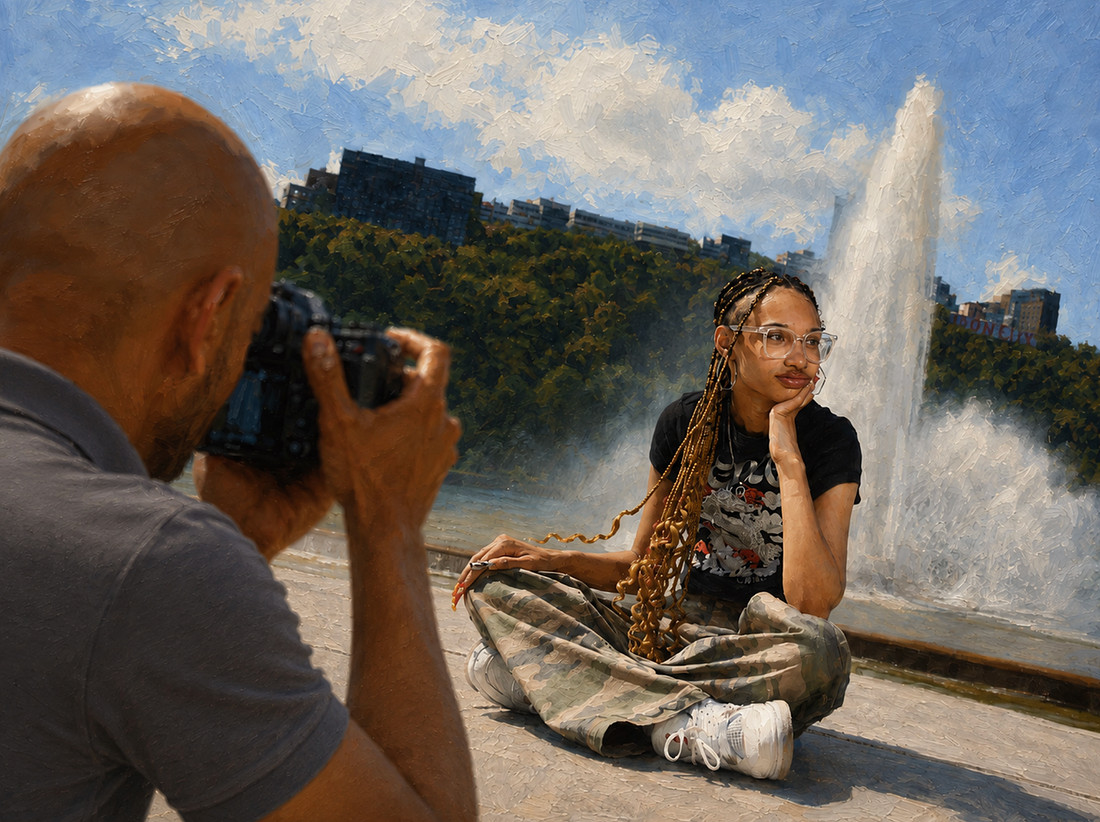

Once the date is reserved, the question is no longer when the senior pictures will happen. The focus shifts to what needs to be decided before the first photograph is taken.
A senior photo session should not require the family to arrive with every pose, background, and detail already mapped out. At the same time, the photographer cannot create a useful plan from a date and a name alone. The period between booking and the photography appointment is when broad ideas are narrowed into choices that fit the senior, the location, and the available time.
For families booking senior photography in Pittsburgh, understanding that process can make the experience easier and prevent the most important decisions from being left until the night before.
The Booking Confirms the Date, Not the Entire Plan
Reserving the session establishes the photography date and gives everyone a deadline to work toward. It does not mean the senior needs to have every outfit purchased or know exactly where every photograph should be taken.
Those decisions can develop gradually.
The first information the photographer needs is usually straightforward: the senior’s school, general availability, preferred setting, interests, and any photographs the family already knows it will need. A yearbook submission may require a particular crop or background. Graduation announcements may call for wider images. A parent may want a traditional portrait for the home, while the senior may prefer something less formal.
The purpose is not to create a long assignment for the family. It is to identify the photographs that should not be missed.
This is also the point when special circumstances should be discussed. That may include accessibility needs, sensitivity to heat, concerns about walking long distances, a location that requires permission, or a personal item that will take additional time to photograph.
The photographer can plan around those details when they are known in advance. They are much harder to solve after everyone has arrived.
The Photographer Starts Building the Session Before the Camera Comes Out
A senior session may look spontaneous in the finished photographs, but the route through the location should have some structure.
The photographer considers where the light is likely to fall, which backgrounds will work with each outfit, how much walking is required, and whether the location provides enough visual range for the scheduled time.
A Pittsburgh senior photo location might include stone buildings, bridges, steps, greenery, alleys, painted walls, or open views within a relatively small area. That variety is useful, but only when the route makes sense. Walking back and forth between the same areas wastes time and can make an otherwise manageable session feel disorganized.
The photographer may also consider which part of the location should be used first. Some backgrounds look better earlier in the evening. Others may become less crowded later. A school entrance may need to be photographed before an athletic event begins, while a city location may be easier to use after commuter traffic decreases.
These decisions are rarely visible in the final gallery, but they affect how much can be accomplished without rushing.
Location Ideas Become a Practical Route
Families often begin with a general preference such as a park, school campus, urban setting, or Pittsburgh landmark.
The next step is determining whether that location works for the actual session.
A visually appealing place may have limited parking, no private changing area, heavy pedestrian traffic, or long distances between usable backgrounds. A campus may restrict access to certain buildings. A popular overlook may be crowded at sunset. A location that appears close on a map may involve hills, stairs, or several blocks of walking.
The photographer’s role is to consider both appearance and function.
This does not mean the most recognizable location is automatically the best choice. A quieter section of a campus or neighborhood may provide better light and greater flexibility than the landmark everyone else is using.
Once the location is selected, the family should know where to meet, where to park, and whether everyone will remain in one area or move between nearby spots. Clear instructions matter, especially when the session begins close to the best available light.
Outfit Choices Are Reviewed as Part of the Photography Plan
After booking, seniors often begin thinking seriously about clothing. The photographer does not need to choose the outfits, but it helps to know what is being considered.
Clothing affects the order of the session.
A formal outfit may work best against architecture, steps, or a clean background. A letterman jacket may make sense near the school. A relaxed outfit may fit a park, bridge, or city setting. Large clothing changes can also require more privacy and more time than adding a jacket or changing a shirt.
The goal is not to create rigid rules about what the senior should wear. It is to make sure the clothing works with the location and that each change creates a noticeable difference in the gallery.
Two outfits that are nearly identical in color, fit, and formality may not provide as much variety as expected. On the other hand, bringing too many options can lead to decisions being made during paid photography time.
Sending outfit photographs ahead of the appointment can help the photographer recommend an order and identify any practical concerns. That might include a color that blends into the planned background, shoes that will be difficult on uneven ground, or an outfit that will require a nearby changing area.
The final choices should still feel appropriate to the senior. The photographer’s input is there to help those choices photograph well.
Personal Items Need a Specific Place in the Session
A senior may want to include a sports uniform, musical instrument, letterman jacket, artwork, books, vehicle, or another part of school life.
Once the session is booked, the question becomes how that item will be used.
An instrument may only need one focused portion of the shoot. A car requires enough open space to position it safely and avoid distracting reflections. Athletic photographs may work best at a field or court, which can affect the route and session timing. A large item may also require another person to transport or hold it when it is not being photographed.
Planning this beforehand keeps the personal detail from controlling the entire appointment.
It also allows the gallery to include photographs that are connected to the senior’s interests alongside portraits that remain useful after high school.
Weather Decisions Become More Specific as the Date Approaches
Outdoor senior photography in Pittsburgh requires some flexibility, but a forecast does not need to be treated as final several days in advance.
Weather changes. Rain percentages shift. A day that initially looks unusable may become cloudy and comfortable, while an apparently clear forecast can develop into heat, strong wind, or thunderstorms.
The photographer should review the conditions close enough to the session to make a useful decision.
Cloud cover alone is not necessarily a reason to reschedule. It can provide even light and reduce harsh shadows. Brief rain may pass before the appointment. Wind, extreme heat, sustained rain, or unsafe conditions may require a time adjustment, alternate location, or new date.
Families should know how weather communication will be handled so they are not left guessing. The decision should account for safety, appearance, location conditions, and the likelihood of creating a complete gallery.
A backup plan does not need to mean moving immediately into a studio. It may involve changing the starting time, selecting a sheltered architectural location, or using another available date.
Final Instructions Should Reduce Uncertainty
As the appointment gets closer, the family should receive the information needed to arrive prepared.
That includes the meeting location, start time, parking instructions, and any details specific to the area. The senior should know what to wear first and whether additional outfits should be placed on hangers, folded in a bag, or brought in a garment cover.
Small preparation details can save time. Clothing can be steamed in advance. Shoes can be checked for comfort. Personal items can be gathered in one place. Hair, nails, grooming, and makeup decisions can be completed without turning the hours before the session into a series of errands.
The senior does not need to practice poses.
Knowing how to stand, where to place the hands, or what expression to make is part of the photographer’s direction during the appointment. Preparation should help the senior arrive ready, not make the photography feel rehearsed.
The Session Has a Structure Without Following a Script
When the appointment begins, the photographer will usually start with simple positioning and make adjustments from there.
The early photographs allow the senior to become familiar with the direction, the pace, and the camera. The photographer can see how the clothing moves, how the light affects the face, and which angles work best.
From there, the session may move between closer portraits, full-length photographs, seated positions, walking, changes in expression, and different sections of the location.
The photographer should provide enough direction that the senior is not left wondering what to do. That may include where to look, how to shift weight, what to do with the hands, and when to move. The direction should also leave room for natural reactions rather than forcing the same expression into every frame.
Parents are welcome to be present, but the photographer should remain responsible for directing the session. Too many instructions from several people can make the senior uncertain about where to look or whose direction to follow.
A parent can still help with clothing, hair, personal items, and noticing details that matter to the family.
The Work Continues After the Session Ends
The photographs are not delivered directly from the camera.
After the session, the photographer reviews the full set of images and removes test frames, duplicates, missed expressions, and photographs that do not meet the final standard. The strongest images are selected based on expression, focus, composition, movement, and how well they contribute to the gallery as a whole.
The selected photographs are then edited for consistent color, exposure, contrast, cropping, and overall presentation.
This stage is one reason several nearly identical images may not appear in the final gallery. A complete senior gallery should provide meaningful variation rather than every frame taken during the appointment.
Once editing is complete, M4J Photography delivers the finished photographs through a password-protected online gallery. Clients receive a complimentary print release and can also order professional prints through the gallery.
The delivery timeline is provided with the session details so families know when to expect the completed photographs.
What the Family Should Do When the Gallery Arrives
The first step is to download and safely store the photographs according to the gallery instructions.
Families can then identify images for the yearbook, graduation announcements, framed prints, gifts, school programs, and the graduation party. The senior may choose different photographs for social media or an early professional profile.
Viewing the complete gallery before making selections is useful. The strongest image for a large wall print may not be the same one chosen for a yearbook crop or announcement.
Print decisions should also account for orientation. A horizontal photograph may work well above a mantel or inside an announcement design. A vertical portrait may fit a framed display, yearbook layout, or graduation-party board more naturally.
The gallery is designed to give the family options rather than require one photograph to serve every purpose.
Booking Senior Photography in Pittsburgh
Booking the appointment establishes the date. The time afterward is used to make the session specific, practical, and organized.
M4J Photography works with seniors and families throughout Pittsburgh and the surrounding areas to plan locations, clothing changes, personal details, session timing, and the final gallery.
Once the date is reserved, communication continues through the planning process so the senior knows where to arrive, what to bring, and what to expect during the photography.
Contact M4J Photography with the senior’s school, preferred season, availability, and general ideas to check current senior-session dates.
How to Plan Senior Photos Before the School Year Gets Busy
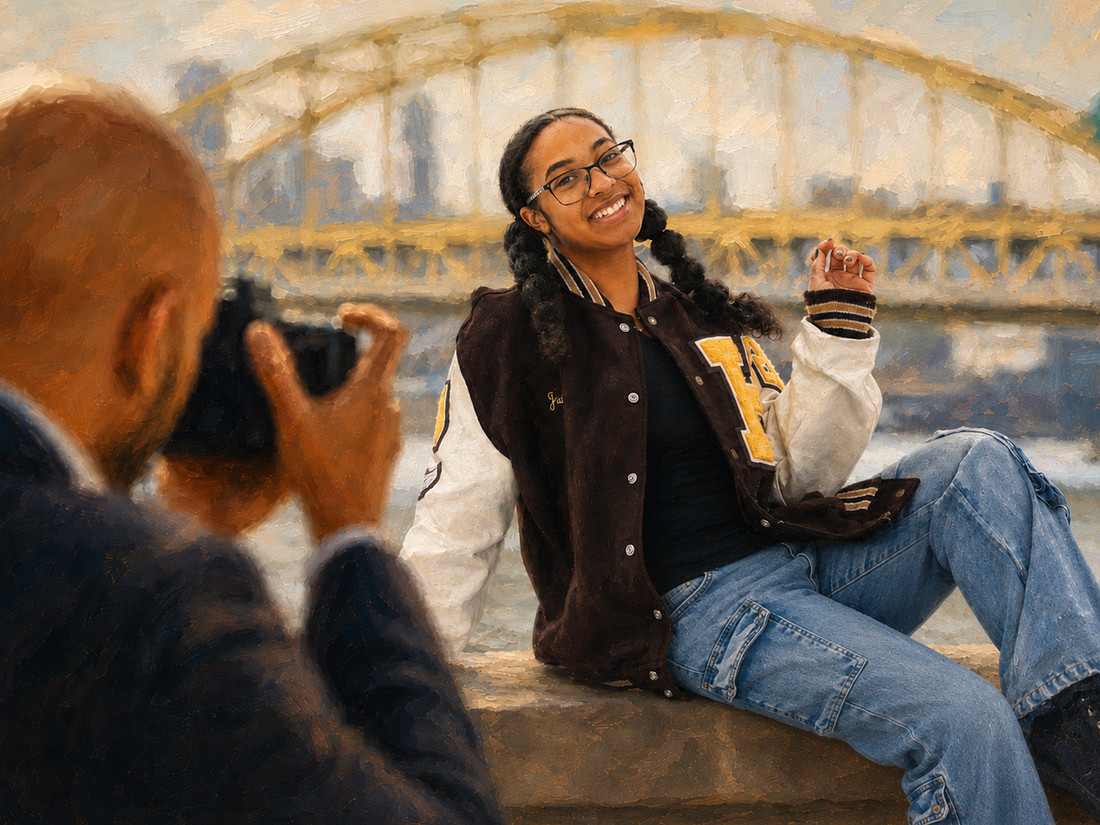
August can feel early for senior pictures. Graduation is still months away, yearbooks may not yet be on anyone’s mind, and the school year has barely started.
Then the calendar begins filling in.
Classes resume. Sports practices become games. College applications need attention. Work schedules change. Homecoming arrives. Families begin planning for the holidays, and daylight becomes limited by the time students are free.
Scheduling senior photos before the school year gets busy is less about rushing the experience and more about protecting enough time to plan it properly. A senior photo session is easier when the date is reserved before every available evening and weekend has another obligation attached to it.
For families looking for senior photography in Pittsburgh, late summer can provide a practical window between the end of summer plans and the busiest part of senior year.
Reserve the Date Before Every Detail Is Decided
Some families wait to schedule senior pictures until the student has chosen every outfit, location, and personal item. By then, the most convenient dates may already be unavailable.
The date can be reserved before the complete session plan is finished.
Start by considering the senior’s school, work, athletics, rehearsals, college visits, and family schedule. Look for a period when the student can arrive without coming directly from practice, leaving early for another commitment, or trying to fit the session between several responsibilities.
This matters because a senior portrait session requires some attention. Clothing needs to be prepared, travel time has to be considered, and the student may need a few minutes to settle in before the photography begins. A date that technically fits on the calendar may still be a poor choice if the entire day is rushed.
Booking earlier also creates alternatives. If weather affects an outdoor senior photo session, there may be more opportunities to reschedule before yearbook deadlines, fall activities, and shorter evenings begin limiting availability.
Plan Around the Senior’s Real Schedule
The senior’s availability should determine the session plan, not the other way around.
A student involved in football, marching band, theater, dance, or another fall activity may have very few open evenings once the season begins. A student working after school may have more flexibility on a weekend morning. Someone completing college applications may prefer to finish the photography before essays, campus visits, and admission deadlines require more attention.
Parents may know the family calendar, but the senior should also be part of the scheduling conversation. They may already know about practices, meetings, test dates, or school activities that have not been added to the household calendar.
Weekday evenings can be useful for Pittsburgh senior pictures because parks, campuses, and public locations may be less crowded than they are on weekends. The session also does not have to occupy an entire day. A focused one-hour session can work well when the location, clothing, and travel plan are settled beforehand.
The important part is leaving enough room around the appointment. A session is more productive when the senior is not watching the clock because they need to be somewhere else immediately afterward.
Decide What the Photographs Need to Be Used For
Senior pictures may appear in several places throughout the year.
The family may need an image for the yearbook, graduation announcements, framed prints, a school program, a scholarship profile, social media, or a display at the graduation party. The senior may also benefit from a clean professional portrait for college, an internship, LinkedIn, or an early employment opportunity.
Those uses do not require an entirely different session, but they may call for different photographs.
A tightly framed portrait may work for a yearbook submission. A wider horizontal image may leave room for announcement text. Grandparents may prefer a clear portrait with the senior looking toward the camera, while the student may also want relaxed images with movement or a location that feels less formal.
Knowing these priorities early helps the photographer create a balanced gallery. It also prevents the session from becoming a series of similar images that look good but do not meet every practical need.
Check the school’s yearbook requirements before the session. Some schools specify the crop, background, orientation, file type, or submission deadline. Those requirements should be shared with the senior photographer rather than discovered after the gallery has been delivered.
Choose a Session Plan That Fits the Time Available
A senior photo session does not need several distant locations to create variety.
A well-chosen area may provide architecture, greenery, steps, walkways, open space, and several backgrounds within a short distance. Keeping the session geographically focused allows more time for photography and less time for driving, parking, and gathering belongings.
This is particularly important for senior pictures in Pittsburgh, where a location that appears nearby on a map may still involve hills, traffic, garages, stairs, or a longer walk than expected.
The session plan should account for how many outfit changes the senior wants, whether a changing area is available, and how far everyone will need to move. Multiple outfits and locations may be possible, but they must fit within the scheduled coverage.
The most useful plan is not necessarily the one with the most stops. It is the one that gives the photographer enough time to create full-length portraits, closer images, different expressions, and several compositions without constantly interrupting the session to relocate.
Prepare the Clothing Before the Week of the Session
Clothing decisions are easier when they are made gradually rather than the night before the session.
The senior should try on each complete outfit, including shoes and accessories, before making a final choice. An outfit that looks good on a hanger may fit differently when sitting, walking, or turning toward the camera. Clothing should also be checked for wrinkles, missing buttons, visible undergarments, tight pockets, and anything that may need adjustment.
A second outfit should provide a noticeable change. That could mean moving from formal clothing to something casual, changing the color or silhouette, or including school apparel that reflects the student’s interests.
There is no need to bring several backup options without a plan. Too many choices can use session time and make the senior less certain about what they want to wear.
Haircuts, braids, nails, grooming appointments, or other preparation should also be scheduled with enough time to make adjustments if needed. The morning of the session is rarely the best time to test a completely new look.
Include Personal Interests Selectively
Sports, music, art, dance, clubs, vehicles, books, and school organizations can be included when they are an important part of the senior’s experience.
The strongest personal details usually have a clear connection to the student. An instrument, letter jacket, uniform, sketchbook, or athletic item can add context without appearing in every photograph.
These items should be discussed before the session so the location and timing can support them. Photographing a senior in an athletic uniform at a field may require access to a different part of the school. A large instrument may affect how far the group can walk. A car may require a safe location with enough room to position it properly.
Personal items work best when they add information about the senior rather than functioning as decoration. The session should still include photographs that are not tied to one activity, especially when the images may be used after high school.
Use Late Summer to Your Advantage
Late-summer senior photos offer a different look from sessions scheduled later in the fall.
Pittsburgh parks and campuses are usually still green, evenings provide more usable daylight, and clothing options are less restricted by colder temperatures. Families may also have more scheduling flexibility before school activities settle into their full pace.
That does not mean every senior should choose an August session. Some prefer fall color, cooler weather, or clothing that works better later in the season. Others may need time to grow out a hairstyle, receive a uniform, or make decisions about how they want the session to look.
The reason to begin planning early is not to force every session into late summer. It is to make the timing an intentional decision rather than accepting the only date left before a deadline.
A family considering fall senior pictures can still reserve the photographer in advance and complete the remaining plans closer to the session.
Leave Room for the Senior to Have Input
Parents often arrange the photography, but the senior is the person being photographed.
They should have meaningful input on the location, clothing, level of formality, and personal items included. A student who feels disconnected from the plan may arrive viewing the session as another obligation on an already crowded schedule.
That does not mean the senior has to organize everything independently. Parents can manage the booking, transportation, deadlines, and communication while allowing the student to shape the appearance of the session.
A useful starting point is to ask which photographs the senior would actually use. Their answer may be different from what the family expects. Some students prefer polished portraits. Others want a relaxed outdoor setting, an urban background, school-related images, or a combination of formal and casual photographs.
The session can meet both the family’s priorities and the senior’s preferences when those expectations are discussed before the appointment.
Senior Photography in Pittsburgh
Planning senior photos before the school year becomes crowded gives families more control over the date, location, clothing, weather alternatives, and intended uses for the images.
M4J Photography provides high school senior photography throughout Pittsburgh and the surrounding areas. Senior photo sessions can include formal and casual portraits, school-related details, personal interests, and multiple nearby backgrounds when the schedule permits.
Contact M4J Photography with the senior’s school, preferred season, availability, and ideas for the session to check available dates.
Why a Doctoral Graduation Deserves Its Own Photo Session
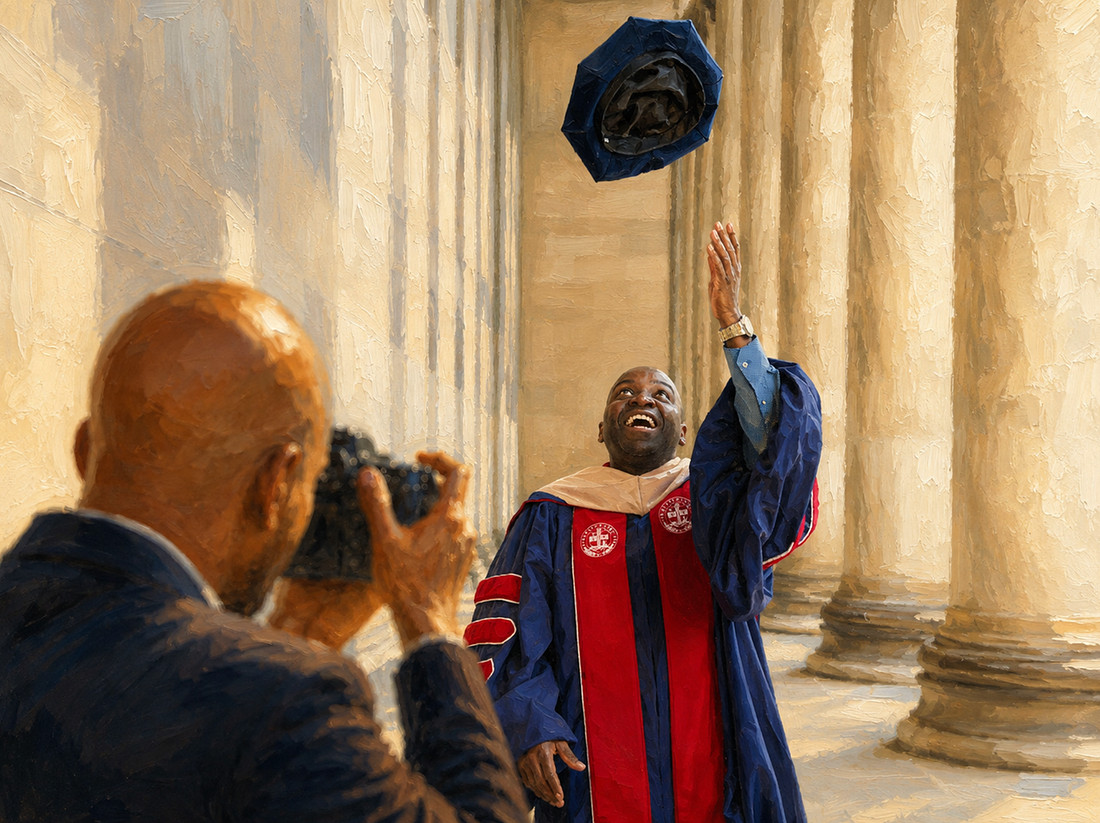
At many commencement ceremonies, doctoral graduates receive one official photograph while crossing the stage, followed by a few quick pictures with relatives in a crowded hallway or outside the venue.
Those images confirm that the ceremony happened. They may not provide the kind of portraits someone wants after completing a Ph.D., Ed.D., D.N.P., Psy.D., D.B.A., or another doctoral program.
A dedicated doctoral graduation photo session provides control over the location, lighting, timing, and people included. It also creates space to photograph the doctoral regalia properly, incorporate parts of the graduate’s academic work, and produce professional portraits that remain useful after commencement.
For graduates planning doctoral graduation photography in Pittsburgh, the session can be shaped around the degree, the campus, and the ways the photographs will be used.
Commencement Is Not Designed Around Portraits
Commencement schedules are built to move large groups of graduates through the ceremony efficiently. They are not designed to give each person time for a full set of portraits.
The official photographer may have only a few seconds to create the stage photograph. Family members are often seated far from the graduate, working around other guests, venue restrictions, and limited sightlines. Once the ceremony ends, hallways, staircases, campus landmarks, and building entrances can become crowded quickly.
A separate doctoral graduation photo session removes those limitations.
The graduate can choose a quieter time, identify specific campus locations, and create several types of portraits without competing with hundreds of other graduates. There is time to correct the placement of the hood, adjust the gown, check the tam, and create photographs from several distances and angles.
The session can happen before commencement, later that day, or on a different date. It does not have to be squeezed into the brief period between leaving the ceremony and meeting family for dinner.
Doctoral Regalia Needs Careful Attention
Doctoral regalia is visually distinct. The gown, velvet panels, sleeve bars, academic hood, and doctoral tam identify the degree in ways that standard graduation clothing does not.
Those details should be visible and arranged correctly.
A hood can shift while walking or become folded under the gown. The tam may sit too high, tilt unevenly, or cast a shadow across the graduate’s face. Velvet panels can overlap, and the gown may need to be adjusted before a full-length portrait.
During a planned doctoral portrait session, those details can be checked throughout the shoot rather than corrected once in a crowded ceremony lobby.
The photographer can also create a range of images that show the regalia differently. Some portraits may feature the complete gown and hood. Others may focus on the tam, sleeve bars, school colors, or degree-specific details. The graduate may also want a few photographs with the gown open or removed so the clothing underneath can be used for professional portraits.
This variety gives the final gallery a purpose beyond documenting the outfit.
The Session Can Reflect the Actual Degree
Doctoral graduates do not all have the same academic or professional background. The photographs should not treat every degree as interchangeable.
A graduate in education may want portraits outside the school or building where they taught, studied, or defended their dissertation. A D.N.P. graduate may want a few professional images that support a healthcare profile or leadership announcement. A Ph.D. graduate may choose a department building, library, laboratory, or another location connected to the research. A Psy.D. or D.B.A. graduate may need portraits for a practice, faculty page, company biography, or speaking engagement.
The degree can also be represented through a small number of relevant items. A bound dissertation, published article, book, research material, or professional tool may fit naturally into a few photographs.
These items should support the portrait rather than take over the session. The most effective choices are usually those that have a clear connection to the graduate’s work and are easy to understand within the image.
A doctoral graduation photo session does not need to recreate years of research visually. It should create a clear connection between the person, the degree, and the field in which the work was completed.
Family Can Be Included Intentionally
Many doctoral graduates complete their programs while also working, teaching, raising children, caring for relatives, or managing other responsibilities. Family members and partners may have experienced the demands of the program alongside the graduate.
Including them in the session can be important, but it should be planned.
A spouse or partner may be included in several portraits. Parents may want a formal photograph with the graduate in full regalia. Children may be photographed with the doctoral hood, beside the graduate, or interacting naturally between the more formal images.
Planning these combinations in advance keeps the session centered on the graduate while still including the people who matter.
This is especially useful when relatives have traveled for commencement. Instead of attempting every photograph in a crowded area immediately after the ceremony, the family can meet at a selected campus location and complete the group portraits in an organized way.
Faculty advisors, dissertation chairs, mentors, committee members, and cohort classmates may also be included when schedules allow. These photographs are easier to arrange when everyone knows the time and location beforehand.
The Photographs Can Support the Graduate Professionally
The degree may lead to a new title, position, faculty appointment, leadership role, publication, practice, or speaking opportunity. The graduation session can account for those uses.
In addition to full-regalia portraits, the graduate may need a professional headshot or environmental portrait for LinkedIn, a university biography, healthcare profile, conference program, company website, press announcement, or professional association.
Creating these photographs during the same session can be practical, particularly when the graduate already has professional clothing, hair, and makeup prepared.
The professional portion should still be planned separately from the regalia portraits. A close headshot has a different purpose from a full-length doctoral photograph. A faculty-page portrait may require a simple background, while a wider image for a website or announcement may need additional space around the graduate.
Discussing those uses before the session helps the photographer create photographs that fit the intended platforms instead of relying on one image to work everywhere.
The Location Should Have a Reason for Being Included
A recognizable campus building can provide useful context, but popularity alone does not make it the right location.
The strongest locations often have a direct connection to the graduate. That could be the department building, a library used throughout the program, the location of the dissertation defense, a classroom, a research facility, or an area where the graduate spent significant time.
The architecture and physical layout also matter. Columns, staircases, walkways, courtyards, office interiors, and campus signs can each support different compositions. The photographer should consider the light, pedestrian traffic, accessibility, and distance between locations before creating the route.
For doctoral graduation photography in Pittsburgh, hills, parking garages, building access, and travel between different parts of campus can affect how much fits into the session. Choosing several locations within walking distance is usually more efficient than driving to multiple areas.
The session does not have to remain on campus. A graduate may prefer photographs at a professional office, healthcare setting, workplace, Pittsburgh landmark, or another location connected to the position they now hold.
The Session Does Not Have to Happen on Graduation Day
Graduation day may be the least convenient time for portraits.
The graduate may have an early ceremony, family obligations, travel plans, a hooding event, departmental activities, or dinner reservations. Regalia may only be available for a limited period, but that does not automatically require the entire session to happen immediately after commencement.
Scheduling the photographs on another date can provide better access to campus, fewer people near popular locations, and greater flexibility with the light.
Some graduates schedule their session before commencement so the images are ready for announcements. Others wait until afterward, once the ceremony schedule is no longer a concern.
A doctoral portrait session can also be arranged later for someone who completed the degree without attending commencement or never received the photographs they wanted at the time. The significance of the degree does not depend on recreating the exact graduation date.
Planning Doctoral Graduation Photography in Pittsburgh
A doctoral graduation photo session should create a complete set of portraits with clear uses.
That may include photographs in full regalia, close views of the hood and tam, campus portraits, professional images without the gown, family photographs, and a small number of images connected to the graduate’s research or field.
M4J Photography provides doctoral graduation photography throughout Pittsburgh and the surrounding areas. Sessions can be planned around campus access, regalia, family participation, professional portrait needs, and locations connected to the graduate’s academic work.
The number of locations, clothing changes, and group combinations depends on the session length and the distance between each area.
Contact M4J Photography with your degree, graduation date, school, preferred locations, and plans for the photographs to check availability.
What Should a Graduate Bring to a College Graduation Photo Session?
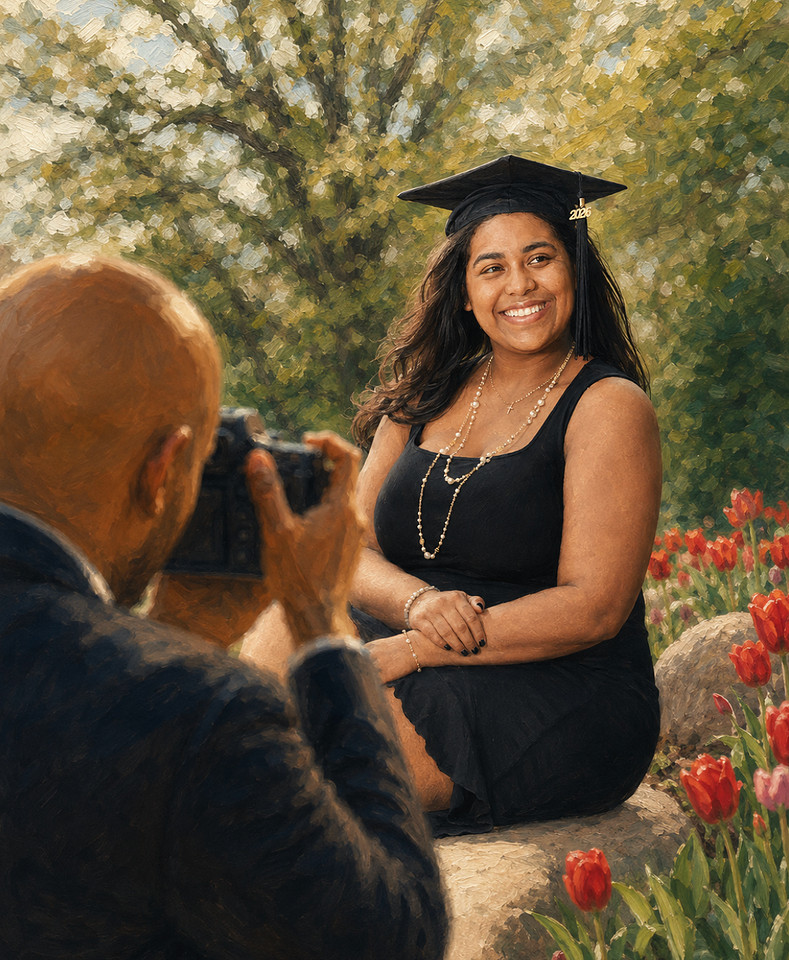
Graduates often arrive with a cap and gown, several outfit options, a bag of props, and no clear plan for what will actually be photographed.
A stronger college graduation photo session starts with fewer, more useful items. The goal is to bring what clearly represents the degree, the school, and the graduate without spending most of the session changing clothes, organizing bags, or carrying props between campus locations.
For graduation photography in Pittsburgh, preparation also matters because campus parking, building access, crowds, hills, and walking distance can affect how much fits into the scheduled time.
Start With the Graduation Attire
The cap, gown, cords, stole, hood, and diploma cover should be checked before the session.
Graduation attire often arrives folded, so steaming the gown and stole in advance can make a noticeable difference. The cap should fit securely, and the tassel should be attached before arriving.
Bring every academic item you want represented, including honor cords, cultural stoles, organization stoles, military cords, or program-specific pieces. These details may be small, but they often carry more meaning than a decorative prop purchased only for the session.
A diploma cover is also worth bringing even when the final diploma has not arrived. It can be used naturally in a few formal portraits without becoming the focus of the entire session.
Add One Outfit That Serves a Different Purpose
A second outfit can provide useful variety when it has a clear role.
Some graduates choose professional clothing for LinkedIn, job announcements, graduate school materials, or a personal website. Others prefer something more casual that reflects how they dressed during college.
One well-planned outfit change is usually enough for a one-hour graduation photo session, especially when the session includes several campus locations. Multiple changes can quickly reduce the time available for portraits.
The graduate should also think about where they will change. Campus restrooms may be locked, crowded, or far from the planned route. Clothing that is easy to carry and change into will make the session run more smoothly.
Wear the Right Shoes for the Campus
Graduation sessions often involve more walking than expected.
Campuses may include stairs, brick paths, hills, grass, and long distances between school signs, department buildings, and landscaped areas. A second pair of comfortable shoes can be useful when the preferred outfit includes heels or formal shoes.
The graduate can walk between locations in the comfortable pair and change before each set of photographs. This is a simple way to protect the session time without sacrificing the finished look.
Bring Personal Items With a Direct Connection
A few meaningful items can make the gallery more specific to the graduate.
A nursing graduate may bring a stethoscope. A musician may include an instrument. An athlete may want a jersey or team item. A student involved in a fraternity, sorority, club, or academic organization may bring something connected to that experience.
The best items are easy to carry and immediately understandable in the photograph.
Champagne, confetti, balloons, signs, and letter boards are optional. They can work when they fit the graduate, but they should not be included simply because they are common in graduation photography.
Before bringing confetti or alcohol, check the university’s rules. Some campuses restrict both, and cleanup requirements may apply even when the material is labeled biodegradable.
Pack a Small Support Bag
A graduate does not need to bring an entire styling kit, but a few practical items can prevent unnecessary delays.
A small bag may include:
-
Bobby pins
-
Safety pins
-
Fashion tape
-
A lint roller
-
Tissues
-
A comb or brush
-
Basic makeup for touch-ups
-
Water
-
Comfortable walking shoes
Phones, keys, wallets, and other bulky items should be removed from pockets before the session begins. A friend or family member can help carry those items when possible.
Confirm the Campus Plan Before the Session
Popular campus landmarks may be crowded, restricted, or unavailable.
Some buildings require student identification. Others may be locked outside normal hours. Commencement weekends can also create heavier traffic, limited parking, and lines near school signs.
Choose one primary location and a few nearby alternatives. That gives the photographer room to adjust without spending the session searching for another option.
For Pittsburgh graduation photography, the route should account for hills, garages, stairs, and the distance between buildings. A location that appears close on a map may still require more time than expected on foot.
Decide Whether Family Will Be Included
Parents, siblings, partners, and close friends can be included, but their participation should be planned in advance.
A session that includes individual portraits, cap-and-gown photographs, a second outfit, several campus locations, and multiple family groupings may require additional time.
The graduate should decide which combinations matter most. Family members should arrive ready to be photographed so the session does not pause for separate clothing changes or delayed arrivals.
The graduate remains the focus, while a few organized group photographs can document the people who supported them.
Keep the Priority List Short
A brief list can help the photographer understand what matters most without turning the session into a rigid sequence.
That list might include a clear cap-and-gown portrait, photographs near the school sign, images outside a department building, one diploma-cover portrait, a professional headshot, and a few family combinations.
The photographer can still create variety throughout the session. The priority list simply protects the images that would be most disappointing to miss if weather, crowds, access, or time require changes.
Graduation Photography in Pittsburgh
M4J Photography provides college graduation photography throughout Pittsburgh and the surrounding areas.
Sessions can include cap-and-gown portraits, campus photographs, academic details, school signage, family combinations, and a second outfit when the schedule allows. The number of locations and outfit changes depends on the session length, walking distance, campus access, and travel between areas.
Contact M4J Photography with your graduation date, school, preferred campus locations, and session plans to check availability.
What Pittsburgh Businesses Need From Branding Photography Today
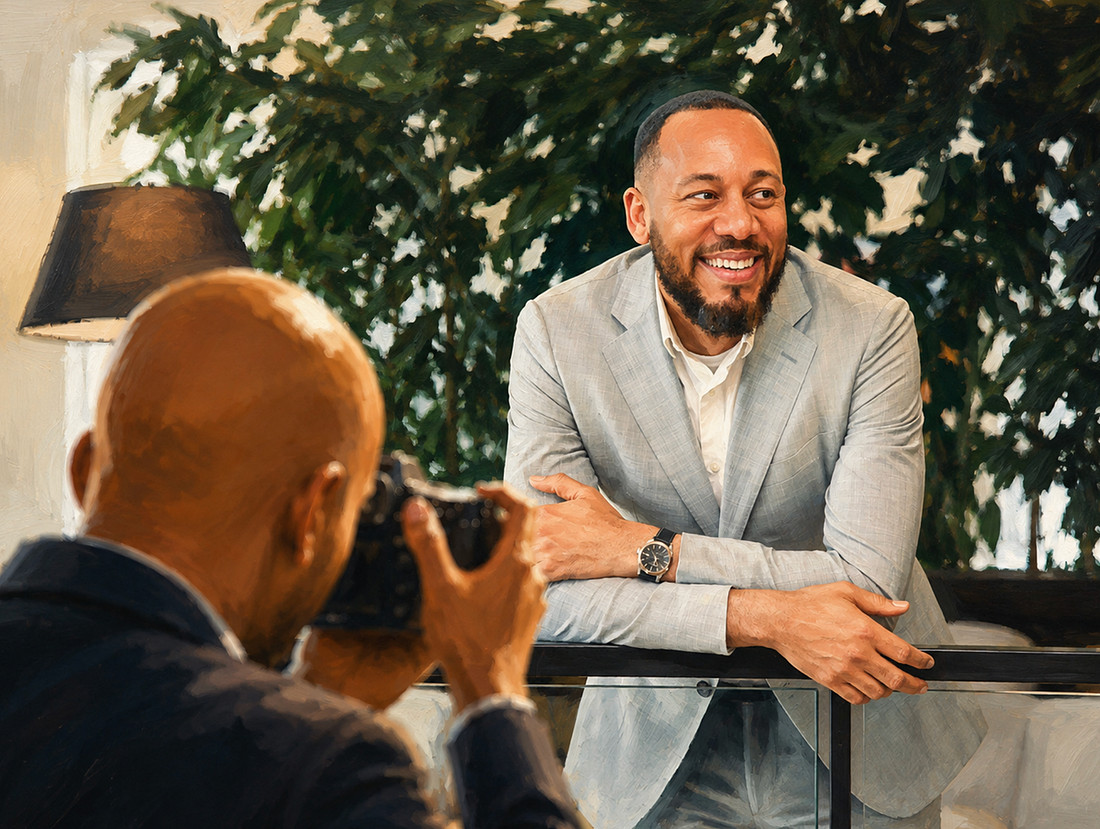
A professional headshot remains important, but many businesses need photographs that do several different jobs.
A LinkedIn profile may require a clear portrait. A company website may need wider images with room for text. A recruiting campaign may need photographs of employees working together. A press announcement may call for leadership portraits, while social media may require closer, vertical compositions.
This is why branding photography should begin with the ways a business plans to use its images. The goal is not to follow a visual trend or create a gallery that looks impressive for a few weeks. The photographs should accurately represent the company, its people, and the way it operates.
For professionals and organizations planning branding photography in Pittsburgh, that usually means creating a coordinated set of images rather than relying on one headshot for every platform.
Begin With What the Photographs Need to Accomplish
Before discussing locations, clothing, or poses, it helps to identify where the photographs will appear.
A business may need images for its website, LinkedIn, staff biographies, press releases, presentations, advertisements, email campaigns, recruiting materials, and social media. Each format places different demands on the photograph.
A website banner may require a horizontal composition with open space around the subject. A speaker biography may need a closely framed professional portrait. A recruiting page may benefit from employees interacting in the workplace rather than another row of individual headshots.
Planning these uses before the session allows the photographer to create intentional variations instead of trying to crop the same image into every format afterward.
A strong personal branding photography session may include a traditional headshot, environmental portraits, working images, wider compositions, and closer details. For a company, the gallery may also include staff photographs, leadership portraits, the workspace, and selected interactions that show how the organization functions.
Professional Images Can Still Be Specific
Traditional professional headshots continue to serve an important purpose. Law firms, financial institutions, healthcare organizations, universities, and corporate teams often need consistent portraits with controlled lighting and uncluttered backgrounds.
The problem is not formality. The problem is using photographs that could belong to almost any person or company.
A financial advisor can have a polished headshot while also being photographed in the office where clients meet with them. An attorney may need a consistent portrait for the firm’s staff page, along with photographs in a conference room or another part of the workplace. A real estate professional may benefit from images that include recognizable Pittsburgh architecture or the neighborhoods they serve.
Those settings provide useful information. They show where the person works, how the business presents itself, and what clients may encounter after making contact.
The most effective approach depends on the profession. A creative business may use stronger color and movement. A healthcare provider may need a calmer setting and a restrained visual direction. A corporate team may prioritize consistency, while an independent consultant may need a wider range of photographs for speaking engagements, media features, and online marketing.
A Branding Gallery Should Include More Than One Type of Portrait
Using the same headshot on every platform can make a business appear visually limited, even when the photograph itself is strong.
A more useful gallery includes several levels of formality.
The essential professional portrait provides a dependable image for LinkedIn, staff directories, proposals, media biographies, and other formal uses. Environmental portraits add context by placing the person in an office, storefront, studio, venue, or another relevant setting.
Working photographs can show a professional reviewing plans, preparing for a presentation, meeting with colleagues, or performing a recognizable part of the service. These scenes are usually directed enough to maintain clean lighting and composition, but they should still resemble something the person would realistically do.
Detail photographs may include tools, products, signage, hands at work, architectural features, or other visual elements that support the larger gallery. Wider images can establish the location and give website designers room for headings or text.
Together, these photographs provide more options than a collection of small variations from one pose.
Original Business Photography Should Reflect the Actual Organization
Stock images can fill an empty section of a website, but they do not show the company a client will encounter.
A generic meeting photograph cannot introduce the employees who will handle the work. A staged office image cannot show the company’s actual space. A model using an unrelated product cannot explain how the real business operates.
Original business photography can document the owner, staff, workplace, equipment, services, products, and client-facing areas that distinguish one organization from another.
This is particularly important for service-based businesses. Clients may be evaluating the qualifications of an attorney, consultant, therapist, financial professional, healthcare provider, photographer, or nonprofit leader, but they are also considering the person who will deliver the service.
Specific photographs help remove uncertainty. They give a prospective client a clearer idea of whom they may meet, what the environment looks like, and how the business presents itself.
For local companies, the location itself may also be relevant. Branding photography in Pittsburgh can incorporate an office, storefront, development, neighborhood, or architectural setting that connects the business to the area it serves.
Team Photography Needs Consistency Without Making Everyone Identical
A company website can lose visual continuity when staff photographs come from different years, photographers, lighting conditions, and image crops.
One employee may have a formal studio portrait. Another may be shown in a vacation photograph. A third may be represented by a tightly cropped image from a group event. Even when the individual photographs are acceptable, the full staff page can appear disorganized.
Corporate team photography creates a shared visual direction. That may include consistent lighting, similar framing, a coordinated background, and basic wardrobe guidance.
Consistency does not require every employee to use the same expression or exact pose. Small changes in stance, angle, and expression allow each person to remain recognizable while the overall group still looks connected.
Growing companies may benefit from scheduling a headshot day and establishing a repeatable setup for future employees. That makes it easier to update the staff page without redesigning the visual approach each time someone joins the organization.
A company may also want several groupings beyond the main team photograph. Leadership, departments, project teams, or employees from a specific office may each need their own images for internal and external use.
Interaction Should Have a Business Purpose
Photographs of people working together can be useful, but the activity should make sense for the organization.
A staged conversation in an empty conference room does not automatically communicate collaboration. The image becomes more informative when the setting, participants, and activity connect to something the company actually does.
That could mean a designer reviewing materials with a client, a medical professional preparing a room, a property team walking through a development, a consultant presenting information, or employees discussing an active project.
These scenes often require direction. The photographer may adjust where people stand, improve the light, remove visual distractions, or repeat a simple action from a better angle. Direction does not make the photograph dishonest. It allows a real part of the business to be shown clearly.
The final image should remain understandable without a long caption. A viewer should be able to recognize who is involved, what is happening, and how the scene relates to the company.
Plan the Session Around the Website and Marketing Materials
Photography is often scheduled after a website has already been designed. That can create problems when the available images do not fit the layouts.
A narrow website banner may require a subject positioned to one side. A services page may need several horizontal images with consistent spacing. A mobile layout may work better with vertical photographs. A print advertisement may need additional room for text, a logo, or contact information.
Sharing draft layouts or a basic page list with the photographer can help determine what needs to be created.
The planning does not have to be complicated. A business can identify its main website pages, preferred social platforms, upcoming announcements, staff needs, and any marketing projects already scheduled.
From there, the session can be organized around practical image categories instead of producing a large gallery with limited variation.
Event photography may also contribute to this library, particularly when an organization hosts a launch, community program, conference, or ribbon cutting. However, the event should be planned as its own assignment because it involves a separate timeline, priority guests, speakers, branding, and required group photographs.
For a detailed breakdown of that coverage, the ribbon-cutting article can serve as the related internal resource rather than repeating the full event-photography process here.
Current Photographs Reduce Unnecessary Questions
A photograph does not become unusable simply because it is several years old. The issue is whether it still represents the person, team, location, and business accurately.
An outdated headshot may create confusion when someone’s appearance, position, or professional focus has changed. A company staff page may include employees who have left or omit people who now hold public-facing roles. A website may show an office the business no longer occupies.
Regular updates help keep those materials aligned with the current organization.
Independent professionals may update their branding photography when their appearance, role, services, or website changes. Growing companies may establish an annual or semiannual process for adding new employees and replacing outdated team images. Organizations with active events or community programs may schedule photography throughout the year rather than trying to create all of their marketing material during one session.
The appropriate schedule depends on the business. What matters is whether clients, job candidates, media contacts, and business partners are seeing an accurate representation.
Branding Photography for Pittsburgh Professionals and Businesses
Effective branding photography gives a business a coordinated set of images for the places where people encounter it.
That may include professional headshots, personal branding portraits, corporate team photography, workplace images, leadership portraits, and selected event coverage. The session should be shaped by the company’s audience, profession, website, and marketing plans.
M4J Photography provides personal branding photography, professional headshots, business photography, corporate team photography, and corporate event photography throughout Pittsburgh and the surrounding areas.
Contact M4J Photography with information about your business, team, website, and intended image uses to discuss the right approach for your session.