What Photographs Should a Business Request at a Ribbon Cutting?


The most recognizable ribbon cutting photograph is the moment the scissors close, but that image represents only one part of what a business may need from the event.
Ribbon cutting photography can support press releases, company websites, social media, internal announcements, newsletters, recruitment, sponsor recognition, and future marketing. A single group photograph cannot serve every purpose equally well.
Before hiring a ribbon cutting photographer, the business should identify the people, branding, and activities that require priority coverage. The photographer can then document the ceremony while producing a gallery with enough range for different platforms and audiences.
Photograph the Venue Before Guests Arrive
Corporate event photography should usually begin before the scheduled ceremony.
This gives the photographer time to document the exterior, company signage, entrance, ribbon cutting area, and wider views of the property. Inside, the coverage may include the reception area, branded displays, podium, sponsor materials, decorations, promotional items, and the prepared event space.
These photographs establish where the event took place and what the business was opening or announcing. They are particularly useful for a grand opening, office launch, restaurant opening, property development, relocation, or business expansion.
The venue is also easier to photograph before guests begin blocking signs, moving chairs, using food stations, or gathering around the ribbon. If the business needs portraits of the owner, executives, or employees, those can often be completed during this quieter period as well.
Identify the People Who Need Priority Coverage
A corporate event photographer may not know which attendees are executives, elected officials, chamber representatives, sponsors, development partners, or community leaders.
The event coordinator should provide the names and roles of important guests before the event. A staff member who recognizes everyone can also help identify them as they arrive.
This preparation matters when specific photographs are needed for a press release or another organization involved in the ceremony. The owner may need to be photographed with employees, local officials, chamber representatives, sponsors, family members, or project partners.
Employees should also be included intentionally. They may be handling registration, welcoming guests, preparing refreshments, or managing other responsibilities when the photographer arrives. A team photograph is more likely to happen when it is placed on the schedule rather than left until everyone begins leaving.
Show What Is Happening Around the Ceremony
A useful ribbon cutting gallery should show attendance and activity, not only the staged lineup.
Guest arrivals, introductions, conversations, handshakes, tours, and demonstrations give the business photographs that can be used beyond the formal announcement. An executive speaking with a community leader, employees welcoming visitors, or guests exploring the new space can work well for LinkedIn, newsletters, company blogs, and social media.
The photographer should look for interactions that are easy to understand within the frame. Clear expressions, visible faces, and uncluttered backgrounds make candid corporate event photographs more useful for marketing.
When speeches are included, each speaker should be photographed clearly. Wider views can also show the audience, company branding, applause, and reactions from leadership.
Providing the speaking order in advance helps the photographer move into position before each person begins. This is especially important when the remarks are brief or the event moves directly from the speeches to the ribbon cutting.
Organize the Ribbon Cutting Lineup in Advance
The main group photograph becomes easier when the lineup is decided before everyone gathers around the ribbon.
The coordinator should know who will hold the scissors, who will hold each end of the ribbon, and which executives, employees, officials, or chamber representatives should stand near the center.
Without a plan, people may crowd together, block one another, or stand too far behind the ribbon. The photographer may need to adjust the spacing, move taller participants, or create a second row so everyone remains visible.
The background should also support the photograph. Company signage, the building entrance, or a branded display can provide context, but it should not be hidden behind the group or create distracting lines through people’s heads.
Before the scissors are used, the photographer should create a formal photograph of the full lineup looking toward the camera. That gives the business a dependable group image even if several participants look down or turn away during the actual cut.
A brief positioning check also allows the photographer to confirm where the scissors will be placed, how tightly the ribbon will be held, and whether the main participants can be seen clearly.
Photograph the Full Ribbon Cutting Sequence
The ribbon cut should be covered as a sequence rather than treated as a single frame.
The photographer can document the group preparing, the scissors being positioned, the ribbon beginning to separate, and the reactions immediately afterward. The strongest photograph may be the exact cut, but it may also be the applause, handshakes, or expressions that follow.
People often move as soon as the ribbon separates. Some look at the scissors, others turn toward one another, and guests may begin stepping forward. Photographing continuously through those few seconds gives the business more options.
Once the immediate reactions have been covered, the photographer can complete any remaining group photographs while the scissors, ribbon, and priority guests are still available.
Create Images for Different Platforms
The marketing team should explain how the photographs will be used.
A horizontal image may be suitable for a press release, website banner, email newsletter, company presentation, or LinkedIn article. Vertical photographs may work better for Instagram Stories, mobile advertisements, event recap graphics, and other social media formats.
The same composition may not crop successfully both ways. A wide ribbon cutting lineup can lose important people when converted into a narrow vertical image. Creating several orientations during the event gives the business more flexibility later.
The gallery should also include a combination of wide views, medium compositions, and closer photographs. A website banner may need open space for text, while a social media post may benefit from a tighter image of the owner, employees, or ceremonial scissors.
Not every photograph has to focus on the ribbon itself. Leadership portraits, employee interactions, exterior images, and photographs of guests using the space can remain useful after the grand opening announcement is no longer current.
Give the Photographer a Clear Event Plan
A short preparation email can provide most of the information a corporate event photographer needs.
It should include the timeline, speaking order, venue and parking instructions, names of priority attendees, required group photographs, sponsor expectations, delivery deadline, and any restrictions on where or whom the photographer may photograph.
The business should also explain whether the images are intended for media distribution, social media, internal communications, advertising, or a company website. That information affects how the photographer composes the images during the event.
A small ceremony with one speaker and a limited guest list may require about one hour of photography. A larger grand opening involving venue coverage, networking, several speakers, employee groups, tours, sponsors, and a reception may require two or more hours.
Booking coverage only for the scheduled ribbon cut may leave no time for venue photographs, leadership portraits, employees, guest interactions, or formal groups.
Hiring a Ribbon Cutting Photographer in Pittsburgh
Businesses hiring a ribbon cutting photographer in Pittsburgh should consider the complete event schedule and the ways the photographs will be used afterward.
M4J Photography provides ribbon cutting photography, grand opening photography, and corporate event photography throughout Pittsburgh and the surrounding areas. Coverage can include the venue, company branding, leadership, employees, guest arrivals, speakers, community representatives, sponsors, the ribbon cutting ceremony, and formal group photographs.
Contact M4J Photography with the event date, location, timeline, and photography priorities to receive a custom quote.
How to Plan the Photo Session After a Surprise Proposal in Pittsburg
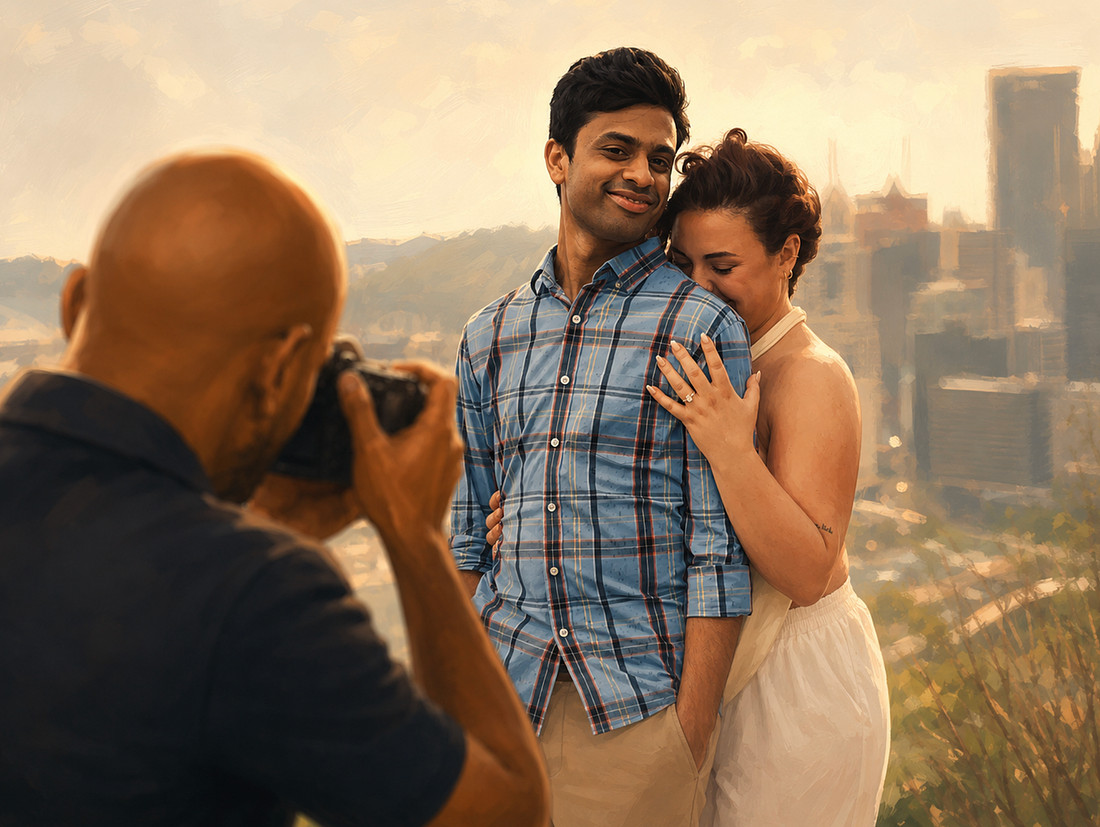
A surprise proposal may take less than a minute, but the photography often continues after the question is answered.
The time that follows can include the couple’s first reactions, ring photographs, calls to family, portraits near the proposal location, and photographs with friends or relatives who were waiting nearby.
Planning that portion in advance helps the proposal move into a couples session without rushing the person who was surprised or wasting time deciding where to go next.
For couples booking surprise proposal photography in Pittsburgh, the proposal itself and the portrait session afterward should be treated as two connected parts of the same plan.
Allow Time for the Initial Reaction
The first few minutes after a proposal should not be filled with posing instructions.
The person being proposed to may laugh, cry, ask questions, examine the ring, or try to understand how the proposal was arranged. Some people react immediately. Others become quiet while they process what happened.
The photographer can continue documenting those reactions without interrupting the conversation.
Once the couple begins looking toward the photographer or acknowledging the camera, the photographer can introduce themselves, offer congratulations, and explain what will happen next.
This transition should feel clear without being abrupt.
Photograph the Ring While the Couple Is Already Focused on It
Ring photographs are usually easiest to create shortly after the proposal.
The couple is already looking at the ring, comparing angles, and talking about the details. The photographer can use that attention to create close images of the hand, ring, and couple without turning the moment into a separate product shoot.
A few carefully composed ring photographs are generally enough.
The photographer may also include both people in the frame so the ring remains connected to the proposal rather than appearing as an isolated object.
Clothing, hand placement, and the background should be checked before these photographs are taken. Small adjustments can prevent distractions without interrupting the couple for long.
Decide in Advance Whether Family and Friends Will Appear
Some surprise proposals are private. Others include relatives or friends waiting around a corner, inside a restaurant, or at a nearby location.
Their arrival should be planned before the proposal.
If they approach immediately, the couple may lose the opportunity to spend a few minutes alone. If they wait too long, the group may not know when to come forward.
A designated person can receive a text or visual signal once the private reaction has been photographed.
The photographer can then document greetings, hugs, and group photographs before continuing with the couple’s portraits.
When several relatives are attending, prepare a short list of the combinations that matter most. This keeps the group portion efficient and protects the time reserved for the newly engaged couple.
Keep Phone Calls Brief Unless They Are Part of the Plan
Some couples call parents or siblings immediately. Others wait until the session is finished.
A short phone call can be photographed when the reaction is meaningful, but it does not need to take over the portrait session.
The photographer should not ask the couple to repeat a call or recreate someone’s reaction. If the call happens naturally, it can become part of the gallery. If the couple wants privacy, photography can pause or continue from a respectful distance.
This is worth discussing during proposal planning, especially when the couple has dinner reservations, limited daylight, or another destination scheduled afterward.
Begin the Portrait Session With Simple Directions
The newly engaged couple may still be distracted when the portrait portion begins.
They may continue looking at the ring, discussing the setup, or asking how the photographer remained hidden. Starting with complicated poses can make the transition harder than it needs to be.
A few straightforward portraits provide an easier starting point.
The photographer may ask the couple to stand together, turn slightly toward the available light, or look toward the camera. Once those photographs are completed, the session can move into walking, conversation, seated portraits, or another nearby setup.
The direction should be clear, but the couple should not be expected to switch immediately from a major surprise into a highly structured photo session.
Choose the Coverage Length Based on the Portraits You Want
The amount of time needed after the proposal depends on the final gallery the couple expects.
A short portrait period of 15 minutes may provide:
-
A few photographs near the proposal location
-
Ring photographs
-
Several full-length and closer portraits
Thirty minutes allows time for more positions, a short walk, and additional backgrounds.
Forty-five minutes to one hour can support a more complete engagement-style session with wider photographs, closer portraits, movement, and multiple areas within the location.
Couples who want a substantial gallery should include that time in the original booking. The portrait session should not be treated as an unplanned addition after the proposal has already happened.
Select a Proposal Location With Portrait Options Nearby
A location may work well for the proposal but offer very little space for photographs afterward.
Before finalizing the plan, consider what is available within walking distance.
A Pittsburgh overlook may provide the proposal view, nearby railings, walkways, city backgrounds, and quieter areas for portraits. A park may offer open space, trees, benches, and paths. A downtown location may provide architecture and several backgrounds within a few blocks.
The strongest proposal location is not necessarily the most elaborate one. It is a place where the proposal can happen discreetly and the couple can continue being photographed without a complicated transition.
When the second location requires driving, parking, or waiting for transportation, that time must be included in the coverage.
Account for Pittsburgh Travel and Parking
A short distance on a map does not always mean a quick transition.
Downtown traffic, Mount Washington parking, construction, sporting events, steep sidewalks, and limited garage access can add time between locations.
A 10-minute drive can become a much longer interruption once the couple has walked back to the car, left the parking area, traveled through traffic, and found another space.
When possible, keep the proposal and portrait session within the same general area.
If a second location is essential, schedule enough photography coverage to account for the full transition rather than using portrait time for transportation.
Plan Around the Available Light
The light immediately after the proposal affects how much time remains for outdoor portraits.
A proposal scheduled shortly before sunset may provide attractive light, but it also creates a firm limit. If the couple spends 20 minutes calling family or waiting for guests to arrive, the remaining portraits may take place after the sun has dropped behind Pittsburgh’s buildings or hills.
The photographer should help determine the proposal time based on:
-
The season
-
The direction of the light
-
The surrounding buildings or trees
-
The portrait route
-
The amount of coverage booked
Evening and indoor proposals can still be photographed successfully, but they may require professional lighting or a location with dependable ambient light.
That decision should be made before the day of the proposal.
Keep Flowers, Champagne, and Other Items Manageable
Flowers, champagne, signs, candles, or framed photographs may be included in the proposal setup.
Those items should have a plan once the portrait session begins.
A bouquet can be used for several photographs and then placed safely nearby. A bottle of champagne can be opened and photographed without appearing in every frame. Large signs or decorations may need someone else to collect them.
The couple should not have to carry every proposal item through the full session.
Assigning a friend or family member to manage those details can keep the portrait portion moving.
Check Clothing and Personal Items Before Portraits Begin
The person planning the proposal usually has control over their own clothing. Their partner may believe they are going to dinner, meeting friends, taking a walk, or attending another event.
Their outfits may not be coordinated, and that is not a problem.
Before portraits begin, the photographer can check for distractions such as:
-
Keys attached to a belt
-
Phones creating visible pocket outlines
-
Bags or coats that need to be placed aside
-
Twisted straps
-
Clothing that shifted during the proposal
-
Items still being held from the setup
These small corrections help the portraits look deliberate without changing how the couple arrived.
Build the Gallery Around the Full Sequence
A surprise proposal gallery should show how the event progressed.
That may include the person arriving, the proposer waiting, the approach, the question, the reaction, the ring being placed, the first embrace, and the portraits that followed.
Friends, family, phone calls, and a second location can be included when they are part of the plan.
The proposal photographs document the event. The session afterward gives the couple a set of portraits from the day they became engaged.
Both parts should be discussed before the booking so the coverage time, location, and final image expectations are clear.
Planning a Surprise Proposal in Pittsburgh?
M4J Photography provides surprise proposal photography throughout Pittsburgh and the surrounding areas.
Proposal sessions include planning assistance, location and photographer-positioning guidance, discreet coverage of the proposal, ring photographs, and a guided couples session afterward.
Surprise proposal photography begins at $500 and includes up to one hour of coverage and 40 professionally edited images.
Message M4J Photography with your preferred date, proposal location, and plans for the session afterward to check availability.
What a Lifestyle Couples Session Actually Looks Like
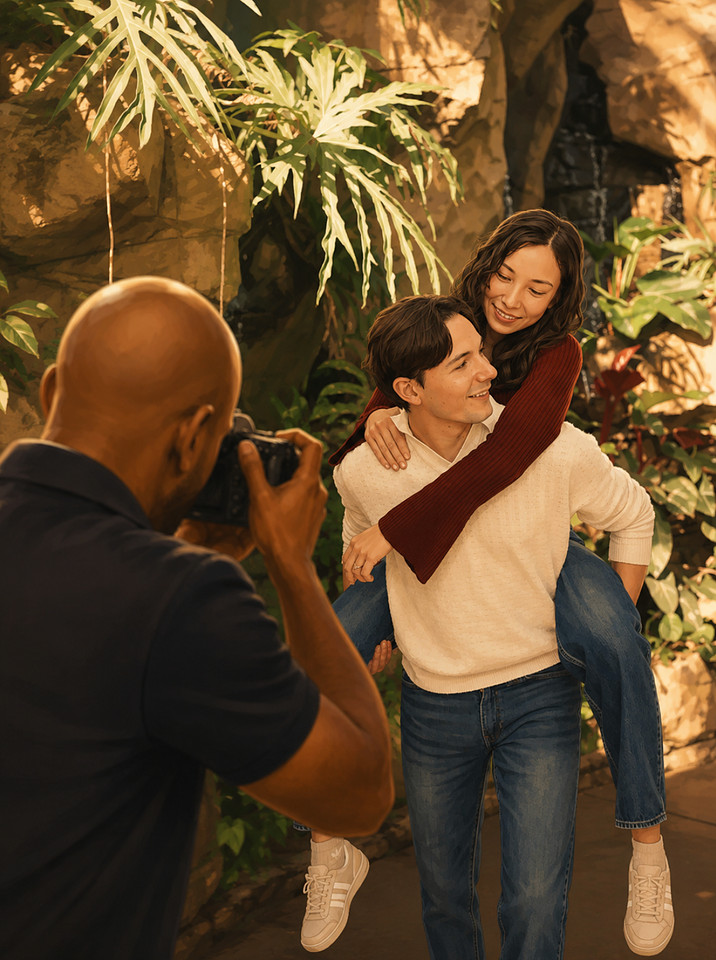
A lifestyle couples session uses movement, conversation, and the location as part of the photography. The couple is still given direction, but the session does not depend on holding one pose after another for the entire hour.
The photographer may begin with a few structured portraits, then introduce walking, sitting together, exploring the location, or another simple activity. These changes give the gallery different expressions, body positions, compositions, and ways of showing the couple together.
This type of session works well for engagements, anniversaries, date nights, and couples who want both polished portraits and photographs that show how they interact.
The First Few Minutes Are Usually an Adjustment
Most couples are aware of the camera when the session begins.
They may wonder where to place their hands, whether they are standing correctly, or what they are expected to do between photographs. That is normal, especially when they are meeting the photographer for the first time.
The answer is not to tell them to ignore the camera. They know it is there.
Instead, the photographer can begin with clear instructions that give the couple an easy starting point. That may include where to stand, which direction to face, how close to move together, or where to look.
As the session continues, the instructions can become less detailed. The couple begins to understand the pace, and the photographer begins to notice how they communicate.
One person may use humor. The other may respond with quick expressions or quiet reactions. They may walk close together, lean toward one another while talking, or become more animated once they are moving.
Those details help shape the rest of the session.
Lifestyle Photography Still Requires Direction
A lifestyle session should not leave a couple standing in front of the camera waiting for something to happen.
The photographer is still responsible for choosing the light, watching the background, arranging the composition, and making sure both people can be seen clearly.
The difference is in how the direction is given.
A couple may be asked to walk toward the camera while continuing a conversation. The photographer controls the starting point, direction, spacing, and composition. The couple controls what they say and how they respond to one another.
They may be asked to sit together, move closer, turn toward each other, or walk through part of the location. Those instructions create a clear setup without controlling every expression that follows.
Good direction gives the couple something specific to do. It should not require them to perform a personality that does not belong to them.
Traditional Portraits Still Belong in the Gallery
Lifestyle photography does not mean removing posed portraits from the session.
Most couples still want photographs where they are positioned carefully and looking toward the camera. Those images may be used for engagement announcements, framed prints, albums, gifts, or wedding websites.
The session can include those photographs without repeating the same arrangement throughout the entire gallery.
A complete couples gallery may include:
- Full-length portraits
- Closer photographs
- Individual portraits
- Both people looking at the camera
- Walking photographs
- Seated photographs
- Wider images that show the location
- Close details of hands, expressions, or clothing
- Photographs taken during conversation or movement
Each type of image serves a different purpose. The structured portraits show the couple clearly. The movement and interaction create changes in posture, expression, and pacing.
Activities Should Match the Couple
An activity can help a couple participate without concentrating on the camera, but it should make sense for them.
One couple may enjoy walking through a conservatory or exploring a neighborhood. Another may be comfortable sitting in the grass, dancing, racing each other, or trying something playful. A quieter couple may prefer coffee, a bookstore, a familiar park, or an evening session at home.
The activity does not need to be elaborate. Its purpose is to give the couple something to respond to.
A forced activity can be as distracting as an uncomfortable pose. Couples should not be asked to run, dance, or act overly energetic when that does not match how they normally interact.
Before the session, it helps to discuss how the couple spends time together, whether they prefer quieter or busier locations, and how comfortable they are with being photographed in public.
That information gives the photographer a better starting point than choosing activities from a standard list.
The Location Should Create Options
A useful location provides several ways to photograph the couple without requiring a long drive between every setup.
Pittsburgh offers conservatories, parks, overlooks, neighborhoods, riverfront areas, historic buildings, and urban streets that can support different types of couples sessions.
A place such as Phipps Conservatory offers architecture, plants, walkways, and areas for more structured portraits. Flagstaff Hill provides open grass and space for movement. Mount Washington adds the skyline and wider views of the city.
Each location produces a different type of photograph.
The first part of a session may use cleaner backgrounds while the couple becomes familiar with the process. An open area may allow for walking or playful movement. An overlook may work well for slower portraits near the end of the session.
A recognizable Pittsburgh location is useful, but it should also support the way the couple wants to be photographed. The location should contribute to the session instead of functioning only as a backdrop.
Keep Photographing Between Planned Setups
Useful photographs often happen after an instruction ends.
A couple may laugh about something that went wrong, continue talking while moving to another area, adjust each other’s clothing, or help one another across uneven ground.
These reactions are easy to miss when the photographer lowers the camera immediately after completing a planned portrait.
Transitions also help connect the different sections of the gallery. Without them, the final collection can look like a series of unrelated poses in several locations.
Photographing the walk between setups, the pause after a movement, or the reaction to an instruction adds continuity. It shows how the session progressed instead of presenting only the finished arrangements.
The Direction Should Change as the Session Progresses
The beginning and end of a couples session should not require the same amount of instruction.
Early photographs may need detailed positioning because the couple is still learning how the photographer works. Later, a short instruction may be enough.
A couple that initially needed guidance with hand placement and posture may eventually respond to something as simple as walking toward an overlook or sitting together on a hillside.
The photographer should recognize when the couple has become comfortable with the process. Continuing to interrupt every movement with corrections can make the later part of the session less effective.
Direction remains available, but it becomes more selective.
Lifestyle Sessions Create More Variety
A gallery can contain many photographs and still feel repetitive.
Changing only the camera angle or background does not necessarily create a meaningful difference between images. The couple may still be standing in the same arrangement with the same expression.
Lifestyle photography introduces changes in movement, distance, posture, activity, and interaction.
A couple may begin with formal portraits, walk through the location, sit together, attempt something playful, and finish with slower photographs overlooking the city. Each part of the session produces a different visual result.
That variety is useful when couples want images for several purposes. A formal portrait may be selected for a frame. A wide photograph may show the Pittsburgh skyline. A close image may focus on an expression or gesture. A walking photograph may work well in an album or announcement.
The gallery should offer clear differences from one image to the next rather than minor variations of the same pose.
Planning a Lifestyle Couples Session in Pittsburgh?
M4J Photography offers couples and engagement sessions throughout Pittsburgh and the surrounding areas.
Sessions can include structured portraits, guided movement, multiple locations, and activities selected around how the couple prefers to spend time together.
Couples photography begins at $450 for a one-hour session.
Message M4J Photography with your preferred date, location ideas, and the type of photographs you would like included.
Family Photography Built Around Interaction Instead of Constant Posing
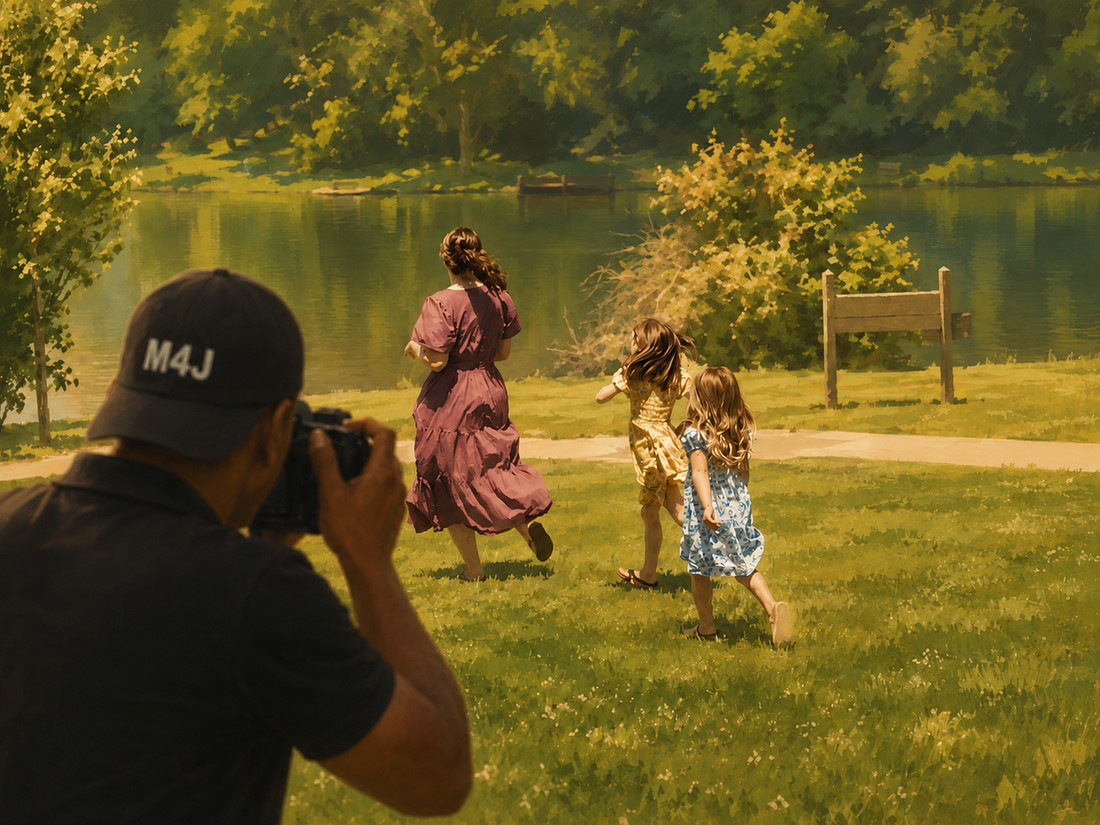
Family photographs do not need to rely on everyone standing in one place, looking at the camera, and repeating the same smile. A well-planned session can include the formal group portraits families expect while also using movement, conversation, play, and smaller groupings to create a broader set of images.
This approach works especially well with young children. Most children participate longer when they are given a clear activity instead of being asked to hold one position through repeated adjustments. Walking with a parent, playing with a sibling, exploring part of the location, or answering a question gives them something specific to do.
The session remains organized. The difference is that every photograph does not depend on controlling the exact position of each hand, shoulder, and expression.
Begin With the Family Portraits People Expect
Formal family portraits still have an important place in the session. These are often the photographs selected for frames, holiday cards, gifts, announcements, and multigenerational records.
I usually begin with the combinations that require the most attention while everyone is together and ready. That may include the full family, grandparents with grandchildren, each parent with the children, siblings together, and individual portraits of each child.
Completing those photographs early also gives younger children time to become familiar with the camera and the setting. Once the main arrangements are finished, the session can move into photographs that involve more activity and fewer instructions.
The formal portraits provide a clear record of who attended. The smaller groupings and interactions show how those people relate to one another.
Give Children Something Specific to Do
Instructions such as “smile,” “look here,” or “stand still” often lose their effectiveness when repeated. A child may cooperate for the first few photographs and then begin paying attention to everything else happening around them.
An activity gives the child a reason to participate.
Depending on the child’s age and personality, that might mean walking toward a parent, holding hands with a sibling, using a swing, playing a short game, telling someone a joke, looking for an object nearby, or showing a parent something they found.
These actions create changes in posture, expression, spacing, and body language without requiring the child to manufacture a reaction for the camera.
The activity should remain simple. Complicated games or too many instructions can pull attention away from the family and slow down the session. One clear action is usually enough.
Adjust the Direction to the Family
Families do not communicate or show affection in the same ways.
Some siblings stay close to one another. Others connect through jokes, competition, or constant movement. One child may participate immediately while another watches for several minutes before joining in. A younger child may remain close to one parent throughout the session.
The photography plan should respond to those differences.
If one parent consistently makes the children laugh, that person may help lead an activity. If a child needs more time, another grouping can be photographed first. If siblings become restless, the session can move to walking or play rather than repeating an arrangement that has already stopped working.
This requires the photographer to pay attention throughout the session instead of relying on the same sequence for every family.
Control the Setting Without Controlling Every Reaction
Interaction-based family photography still requires careful direction.
The photographer chooses the background, evaluates the light, places the family within the scene, and determines where movement can happen safely. Spacing also matters. Faces should remain visible, clothing should not block another person, and the group should stay within an area where the light remains consistent.
Once those decisions are made, the instruction can be simple.
A family may be placed on a path and asked to walk together. A parent may sit with a child in a section of open shade. Siblings may be positioned close enough to interact without being told exactly where to look every second.
The structure comes from the placement and preparation. The variation comes from what happens within that setup.
Photograph the Relationships Within the Family
A full-family portrait cannot show every relationship equally.
Separate photographs of parents with children, siblings together, grandparents with grandchildren, and parents as a couple create a fuller record of the family. They also change the pace of the session by giving people breaks from the full-group arrangement.
These combinations can reveal details that are difficult to see in a larger portrait. A child may speak differently with a grandparent than with a sibling. A parent may become more animated when photographed alone with one child. Older siblings may begin joking once the adults step away.
The photographer should know which combinations are important before the session begins, especially when several generations or households are participating. That prevents important pairings from being overlooked.
Choose a Location That Allows Movement
The location should support the type of session being planned.
Pittsburgh parks, gardens, neighborhoods, riverfront areas, urban spaces, and family homes can all work, but they provide different options. A park may allow children to walk, run, or use playground equipment. An urban location may offer architectural backgrounds but require closer supervision near traffic, stairs, or crowded walkways.
A family home can be useful when the children are very young, the weather is uncertain, or the property has a connection to the family. Indoor sessions also provide access to familiar furniture, toys, and routines, although the available space and window light need to be considered.
The best location is not necessarily the one with the most elaborate scenery. It is the one that gives the family enough room to participate comfortably while providing usable light and uncluttered backgrounds.
Parents Do Not Have to Manage Every Second
Parents often arrive prepared to keep the children smiling, facing forward, and following every instruction.
That can become another source of distraction.
A child looking away does not automatically ruin a photograph. A child moving toward a parent, adjusting clothing, reaching for a sibling, or reacting to something outside the frame may create a useful image. The photographer can decide whether the moment should continue or whether the group needs to be reset.
Parents usually help most by staying involved with their children rather than repeatedly correcting them. Talking, walking, playing, and responding to what the child is doing gives the photographer something to work with.
There will still be times when a child needs to return to a position or pause for a formal portrait. Those requests are easier to manage when they are not being made continuously throughout the session.
Keep Photographing Between Setups
The time between planned photographs can produce some of the most useful images in the gallery.
A parent may adjust a child’s jacket. Siblings may laugh after being released from a group portrait. A younger child may reach for a grandparent. The family may continue talking while walking to another section of the location.
These moments happen quickly and are easy to miss when the camera is lowered as soon as an instruction ends.
Remaining attentive during transitions adds gestures, reactions, and movement that do not appear in the formal arrangements. It also helps connect the separate parts of the session so the final gallery does not look like a collection of unrelated poses.
Build a Gallery With Clear Differences From Image to Image
A varied gallery should change in more than background or camera angle.
It should include full-group photographs, smaller combinations, individual portraits, wider environmental images, closer expressions, movement, and quieter interactions. The people, purpose, and composition should shift throughout the session.
Repeating the same arrangement with minor changes can produce a large number of photographs without adding much to the final selection.
The goal is to create images that serve different uses. A formal group portrait may be chosen for a frame. A close photograph of a parent and child may become a gift. A wider photograph may show the location, while a smaller interaction may preserve a gesture the family recognizes immediately.
Family Photography in Pittsburgh
M4J Photography plans family sessions around the people participating, the ages of the children, the location, and the photographs the family wants to receive.
Each session includes clear direction, formal group portraits, smaller family combinations, and activities selected according to how the family responds during the session.
Family photography is available throughout Pittsburgh and the surrounding areas. Message M4J Photography for availability and pricing.
How Many Hours of Photography Does a Small Wedding Need in Pittsburgh?
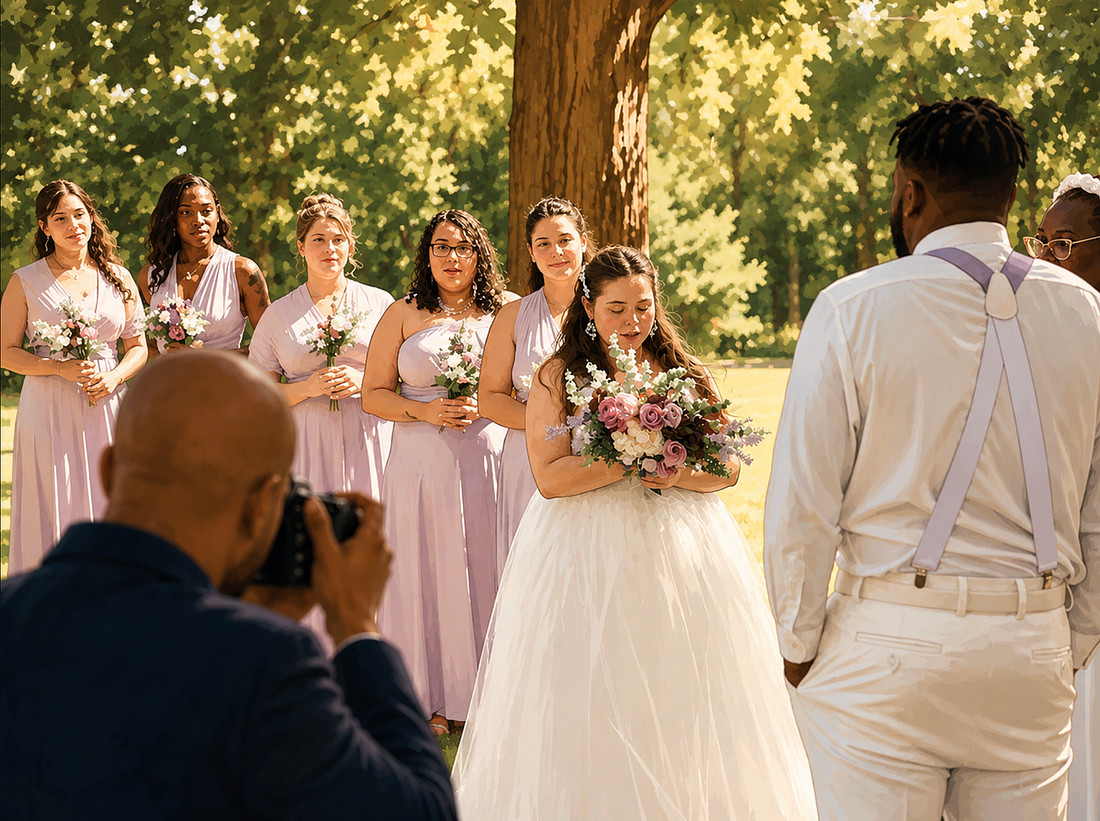
Choosing photography coverage for a small wedding can be difficult because traditional wedding packages are often built around eight or more hours. That may make sense for a full wedding day with multiple locations, a large wedding party, and a long reception. It may not fit a courthouse ceremony, private exchange of vows, restaurant wedding, or shorter celebration.
The right amount of coverage depends on what is scheduled, where each part takes place, how many formal photographs you want, and how much of the celebration you want included in the final gallery.
A small guest list does not automatically determine the number of hours. A wedding with eight guests could involve several locations and a full dinner. A wedding with 40 guests could take place entirely in one venue and need less travel time. The schedule provides a more accurate answer than the attendance count.
Begin With the Parts of the Day You Want Photographed
Before selecting a package, write down the parts of the wedding you want included.
That list may include:
-
Getting ready
-
Details and attire
-
A first look
-
Guest arrivals
-
The ceremony
-
Family photographs
-
Couple portraits
-
Travel to a second location
-
Cocktail hour
-
Dinner
-
Toasts
-
Cake cutting
-
Dancing
-
An exit
You may only need three or four items from that list. Another couple may need almost all of them.
Once those priorities are clear, the photographer can determine how much time is realistically needed. This prevents you from purchasing hours that have no clear purpose or choosing coverage that ends before an important part of the wedding begins.
One Hour of Photography Coverage
One hour can work for a courthouse ceremony, private vow exchange, or very short ceremony in one location.
A one-hour schedule may include:
-
The ceremony
-
A few photographs with immediate family
-
Short couple portraits near the ceremony location
This option works best when everyone arrives on time, the ceremony start is dependable, and there is no travel between locations.
One hour leaves very little room for delays. If the courthouse is running behind, parking takes longer than expected, or relatives arrive late, portrait time may be reduced.
Couples considering one hour should keep the photograph list focused. Ten different family combinations, a second portrait location, and extended guest coverage will usually require more time.
Ninety Minutes of Photography Coverage
Ninety minutes provides more flexibility without turning a short ceremony into an extended event.
A typical schedule could include:
-
Guest arrivals
-
Ceremony coverage
-
Immediate-family photographs
-
Couple portraits
-
A few photographs outside the venue
The additional 30 minutes can make a meaningful difference. It creates room for greetings after the ceremony, small delays, and a more complete set of portraits.
This amount of coverage may be appropriate for a courthouse wedding followed by photographs downtown or an intimate ceremony with no formal reception coverage.
Two Hours of Photography Coverage
Two hours can cover a ceremony and a more complete portrait period.
A possible timeline may include:
-
15 minutes of arrival and detail photographs
-
A 20-minute ceremony
-
20 to 30 minutes of family photographs
-
40 to 50 minutes of couple portraits
-
Remaining time for guest interactions and transitions
Two hours also works well when the ceremony and portraits take place at the same venue.
When travel is involved, the distance needs to be included in the schedule. A 15-minute drive between the ceremony and portrait location uses 15 minutes of photography coverage unless the agreement states otherwise.
Parking can also affect Pittsburgh wedding timelines. Downtown garages, event traffic, street closures, and walking between locations should be considered before deciding how much can fit into two hours.
Three Hours of Photography Coverage
Three hours allows the gallery to include more than the ceremony and portraits.
Coverage may include:
-
Final getting-ready photographs
-
The ceremony
-
Family and group portraits
-
Couple portraits
-
The beginning of a dinner or reception
-
Guest photographs
-
A toast or cake cutting
This is often enough for a ceremony followed by a private dining-room celebration, especially when everything takes place in one building or nearby locations.
Three hours can also accommodate a larger family photograph list. Even at a small wedding, family portraits require time when there are several households, divorced parents, children, grandparents, or mobility considerations.
The family list should still be prepared in advance. Three hours provides flexibility, but it should not be used as a substitute for organization.
Four Hours of Photography Coverage
Four hours begins to provide a fuller account of the wedding.
A four-hour schedule might include:
-
Getting ready
-
A first look
-
The ceremony
-
Family photographs
-
Couple portraits
-
Cocktail hour
-
Dinner entrance
-
Toasts
This amount of time works well for couples who want the early part of the day and the beginning of the celebration photographed but do not need late-night reception coverage.
Four hours may also be necessary when the wedding involves two locations. For example, a ceremony could take place at a courthouse or church, followed by portraits at an overlook and dinner at a restaurant.
Travel, parking, walking, and gathering guests all use time. A schedule that appears short on paper may require four hours once those transitions are included.
Five or Six Hours of Photography Coverage
Five or six hours can cover most of an intimate wedding without requiring a traditional full-day package.
Coverage may begin with getting ready and continue through:
-
A first look
-
The ceremony
-
Family photographs
-
Couple portraits
-
Cocktail hour
-
Dinner
-
Toasts
-
Cake cutting
-
Early dancing
This range is appropriate when the couple wants photographs from several stages of the day or when the wedding includes multiple locations.
It may also be the better option for a small wedding with a structured reception. Guest count does not shorten speeches, dinner service, or scheduled formalities. A 30-person wedding can still have several hours of reception activity.
Account for Travel Between Pittsburgh Locations
Travel is one of the easiest parts of a timeline to underestimate.
A ceremony downtown followed by portraits on Mount Washington may appear close geographically, but the schedule may also involve:
-
Leaving the ceremony space
-
Greeting guests
-
Walking to parked vehicles
-
Driving through traffic
-
Finding parking
-
Walking to the portrait location
-
Waiting for family members to arrive
A 10-minute drive can become a 30-minute transition.
When possible, choose portrait locations near the ceremony or reception. This preserves more time for photography and reduces the chance of falling behind.
If several locations are important, additional coverage may be more practical than trying to fit everything into a short package.
Consider the Number of Family Photographs
Small weddings can still have long family lists.
A couple may want photographs with:
-
Each set of parents
-
Parents together
-
Siblings
-
Grandparents
-
Children
-
Extended family
-
Friends serving as witnesses
-
The full guest group
Each combination may only take a minute or two when everyone is present and ready. The process takes longer when people need to be found, arrangements are sensitive, or guests have difficulty moving quickly.
A written list helps the photographer move through the combinations efficiently. It also allows the couple to decide which groupings are essential before the wedding.
For a courthouse ceremony with limited coverage, immediate-family photographs may need to take priority over a long extended-family list.
Decide How Much Portrait Variety You Want
Couple portraits can take 15 minutes or more than an hour, depending on the desired variety.
A short portrait period may provide:
-
Full-length photographs
-
Closer portraits
-
A few walking photographs
-
Several natural interactions
-
Vertical and horizontal compositions
More time is useful when the couple wants:
-
Multiple locations
-
An outfit change
-
Photographs at sunset
-
Indoor and outdoor portraits
-
Architectural backgrounds
-
A wider range of formal and relaxed images
The number of requested images also matters. A couple seeking a few strong portraits after a courthouse ceremony will need less time than a couple building an album with several settings.
Plan Around Sunset Carefully
Sunset can influence the schedule, but it should be calculated using the location and time of year.
The sun sets much earlier during Pittsburgh winters than during summer. Buildings, hills, and surrounding structures can also block light before the official sunset time.
If sunset portraits are important, build them into the schedule rather than assuming there will be time later. Dinner service, speeches, and guest conversations can make it difficult to leave the reception unexpectedly.
The photographer can recommend a portrait time based on the season, location, and direction of the available light.
Leave Space for Delays
Short wedding coverage depends heavily on timing.
Common delays include:
-
Hair or makeup running late
-
Difficulty parking
-
Guests arriving after the scheduled start
-
A ceremony beginning late
-
Longer greetings after the ceremony
-
Traffic between locations
-
Restaurant seating delays
-
Weather changes
A 10- or 15-minute buffer can protect the photographs that matter most.
Without a buffer, the schedule may require removing a location, reducing family combinations, or shortening couple portraits.
Short Coverage Should Still Have a Clear Plan
A one- or two-hour wedding package is not incomplete when it covers the parts the couple selected. It simply requires more precise planning.
The photographer and couple should agree on:
-
The coverage start and end times
-
The ceremony start time
-
The family photograph list
-
The portrait location
-
Travel expectations
-
Weather alternatives
-
The final event being photographed
This ensures that everyone understands what can reasonably be completed within the selected amount of time.
Planning Photography Coverage for a Small Wedding in Pittsburgh?
M4J Photography offers flexible coverage for courthouse ceremonies, private weddings, restaurant celebrations, backyard weddings, and intimate ceremonies throughout Pittsburgh and the surrounding areas.
Coverage can begin with a short ceremony package or extend through dinner, toasts, and reception events. The recommended amount of time is based on the schedule, locations, family photograph list, and the parts of the wedding you want included.
Contact M4J Photography with your date, ceremony location, estimated guest count, requested photographs, and anticipated coverage length to check availability and receive a quote.