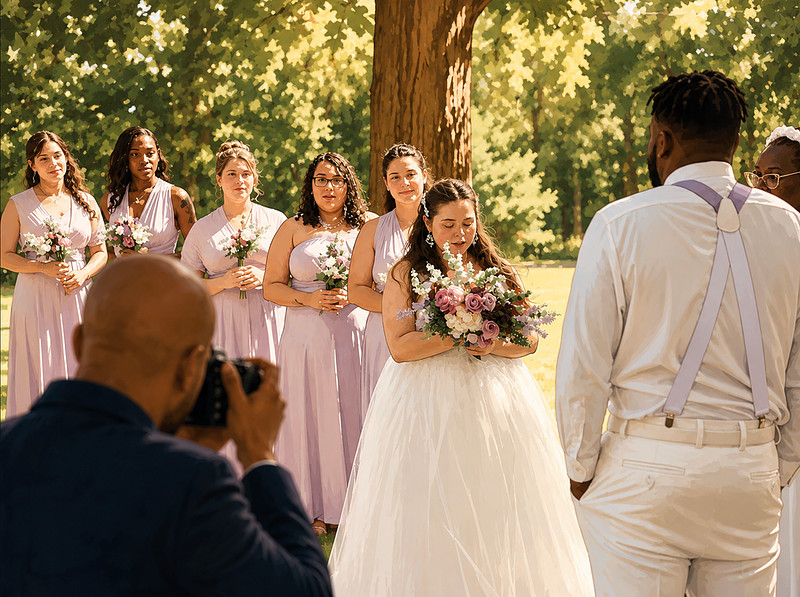

Choosing photography coverage for a small wedding can be difficult because traditional wedding packages are often built around eight or more hours. That may make sense for a full wedding day with multiple locations, a large wedding party, and a long reception. It may not fit a courthouse ceremony, private exchange of vows, restaurant wedding, or shorter celebration.
The right amount of coverage depends on what is scheduled, where each part takes place, how many formal photographs you want, and how much of the celebration you want included in the final gallery.
A small guest list does not automatically determine the number of hours. A wedding with eight guests could involve several locations and a full dinner. A wedding with 40 guests could take place entirely in one venue and need less travel time. The schedule provides a more accurate answer than the attendance count.
Begin With the Parts of the Day You Want Photographed
Before selecting a package, write down the parts of the wedding you want included.
That list may include:
You may only need three or four items from that list. Another couple may need almost all of them.
Once those priorities are clear, the photographer can determine how much time is realistically needed. This prevents you from purchasing hours that have no clear purpose or choosing coverage that ends before an important part of the wedding begins.
One Hour of Photography Coverage
One hour can work for a courthouse ceremony, private vow exchange, or very short ceremony in one location.
A one-hour schedule may include:
This option works best when everyone arrives on time, the ceremony start is dependable, and there is no travel between locations.
One hour leaves very little room for delays. If the courthouse is running behind, parking takes longer than expected, or relatives arrive late, portrait time may be reduced.
Couples considering one hour should keep the photograph list focused. Ten different family combinations, a second portrait location, and extended guest coverage will usually require more time.
Ninety Minutes of Photography Coverage
Ninety minutes provides more flexibility without turning a short ceremony into an extended event.
A typical schedule could include:
The additional 30 minutes can make a meaningful difference. It creates room for greetings after the ceremony, small delays, and a more complete set of portraits.
This amount of coverage may be appropriate for a courthouse wedding followed by photographs downtown or an intimate ceremony with no formal reception coverage.
Two Hours of Photography Coverage
Two hours can cover a ceremony and a more complete portrait period.
A possible timeline may include:
-
15 minutes of arrival and detail photographs
-
A 20-minute ceremony
-
20 to 30 minutes of family photographs
-
40 to 50 minutes of couple portraits
-
Remaining time for guest interactions and transitions
Two hours also works well when the ceremony and portraits take place at the same venue.
When travel is involved, the distance needs to be included in the schedule. A 15-minute drive between the ceremony and portrait location uses 15 minutes of photography coverage unless the agreement states otherwise.
Parking can also affect Pittsburgh wedding timelines. Downtown garages, event traffic, street closures, and walking between locations should be considered before deciding how much can fit into two hours.
Three Hours of Photography Coverage
Three hours allows the gallery to include more than the ceremony and portraits.
Coverage may include:
-
Final getting-ready photographs
-
The ceremony
-
Family and group portraits
-
Couple portraits
-
The beginning of a dinner or reception
-
Guest photographs
-
A toast or cake cutting
This is often enough for a ceremony followed by a private dining-room celebration, especially when everything takes place in one building or nearby locations.
Three hours can also accommodate a larger family photograph list. Even at a small wedding, family portraits require time when there are several households, divorced parents, children, grandparents, or mobility considerations.
The family list should still be prepared in advance. Three hours provides flexibility, but it should not be used as a substitute for organization.
Four Hours of Photography Coverage
Four hours begins to provide a fuller account of the wedding.
A four-hour schedule might include:
-
Getting ready
-
A first look
-
The ceremony
-
Family photographs
-
Couple portraits
-
Cocktail hour
-
Dinner entrance
-
Toasts
This amount of time works well for couples who want the early part of the day and the beginning of the celebration photographed but do not need late-night reception coverage.
Four hours may also be necessary when the wedding involves two locations. For example, a ceremony could take place at a courthouse or church, followed by portraits at an overlook and dinner at a restaurant.
Travel, parking, walking, and gathering guests all use time. A schedule that appears short on paper may require four hours once those transitions are included.
Five or Six Hours of Photography Coverage
Five or six hours can cover most of an intimate wedding without requiring a traditional full-day package.
Coverage may begin with getting ready and continue through:
-
A first look
-
The ceremony
-
Family photographs
-
Couple portraits
-
Cocktail hour
-
Dinner
-
Toasts
-
Cake cutting
-
Early dancing
This range is appropriate when the couple wants photographs from several stages of the day or when the wedding includes multiple locations.
It may also be the better option for a small wedding with a structured reception. Guest count does not shorten speeches, dinner service, or scheduled formalities. A 30-person wedding can still have several hours of reception activity.
Account for Travel Between Pittsburgh Locations
Travel is one of the easiest parts of a timeline to underestimate.
A ceremony downtown followed by portraits on Mount Washington may appear close geographically, but the schedule may also involve:
-
Leaving the ceremony space
-
Greeting guests
-
Walking to parked vehicles
-
Driving through traffic
-
Finding parking
-
Walking to the portrait location
-
Waiting for family members to arrive
A 10-minute drive can become a 30-minute transition.
When possible, choose portrait locations near the ceremony or reception. This preserves more time for photography and reduces the chance of falling behind.
If several locations are important, additional coverage may be more practical than trying to fit everything into a short package.
Consider the Number of Family Photographs
Small weddings can still have long family lists.
A couple may want photographs with:
Each combination may only take a minute or two when everyone is present and ready. The process takes longer when people need to be found, arrangements are sensitive, or guests have difficulty moving quickly.
A written list helps the photographer move through the combinations efficiently. It also allows the couple to decide which groupings are essential before the wedding.
For a courthouse ceremony with limited coverage, immediate-family photographs may need to take priority over a long extended-family list.
Decide How Much Portrait Variety You Want
Couple portraits can take 15 minutes or more than an hour, depending on the desired variety.
A short portrait period may provide:
-
Full-length photographs
-
Closer portraits
-
A few walking photographs
-
Several natural interactions
-
Vertical and horizontal compositions
More time is useful when the couple wants:
-
Multiple locations
-
An outfit change
-
Photographs at sunset
-
Indoor and outdoor portraits
-
Architectural backgrounds
-
A wider range of formal and relaxed images
The number of requested images also matters. A couple seeking a few strong portraits after a courthouse ceremony will need less time than a couple building an album with several settings.
Plan Around Sunset Carefully
Sunset can influence the schedule, but it should be calculated using the location and time of year.
The sun sets much earlier during Pittsburgh winters than during summer. Buildings, hills, and surrounding structures can also block light before the official sunset time.
If sunset portraits are important, build them into the schedule rather than assuming there will be time later. Dinner service, speeches, and guest conversations can make it difficult to leave the reception unexpectedly.
The photographer can recommend a portrait time based on the season, location, and direction of the available light.
Leave Space for Delays
Short wedding coverage depends heavily on timing.
Common delays include:
-
Hair or makeup running late
-
Difficulty parking
-
Guests arriving after the scheduled start
-
A ceremony beginning late
-
Longer greetings after the ceremony
-
Traffic between locations
-
Restaurant seating delays
-
Weather changes
A 10- or 15-minute buffer can protect the photographs that matter most.
Without a buffer, the schedule may require removing a location, reducing family combinations, or shortening couple portraits.
Short Coverage Should Still Have a Clear Plan
A one- or two-hour wedding package is not incomplete when it covers the parts the couple selected. It simply requires more precise planning.
The photographer and couple should agree on:
-
The coverage start and end times
-
The ceremony start time
-
The family photograph list
-
The portrait location
-
Travel expectations
-
Weather alternatives
-
The final event being photographed
This ensures that everyone understands what can reasonably be completed within the selected amount of time.
Planning Photography Coverage for a Small Wedding in Pittsburgh?
M4J Photography offers flexible coverage for courthouse ceremonies, private weddings, restaurant celebrations, backyard weddings, and intimate ceremonies throughout Pittsburgh and the surrounding areas.
Coverage can begin with a short ceremony package or extend through dinner, toasts, and reception events. The recommended amount of time is based on the schedule, locations, family photograph list, and the parts of the wedding you want included.
Contact M4J Photography with your date, ceremony location, estimated guest count, requested photographs, and anticipated coverage length to check availability and receive a quote.
