How to Plan Anniversary Photos
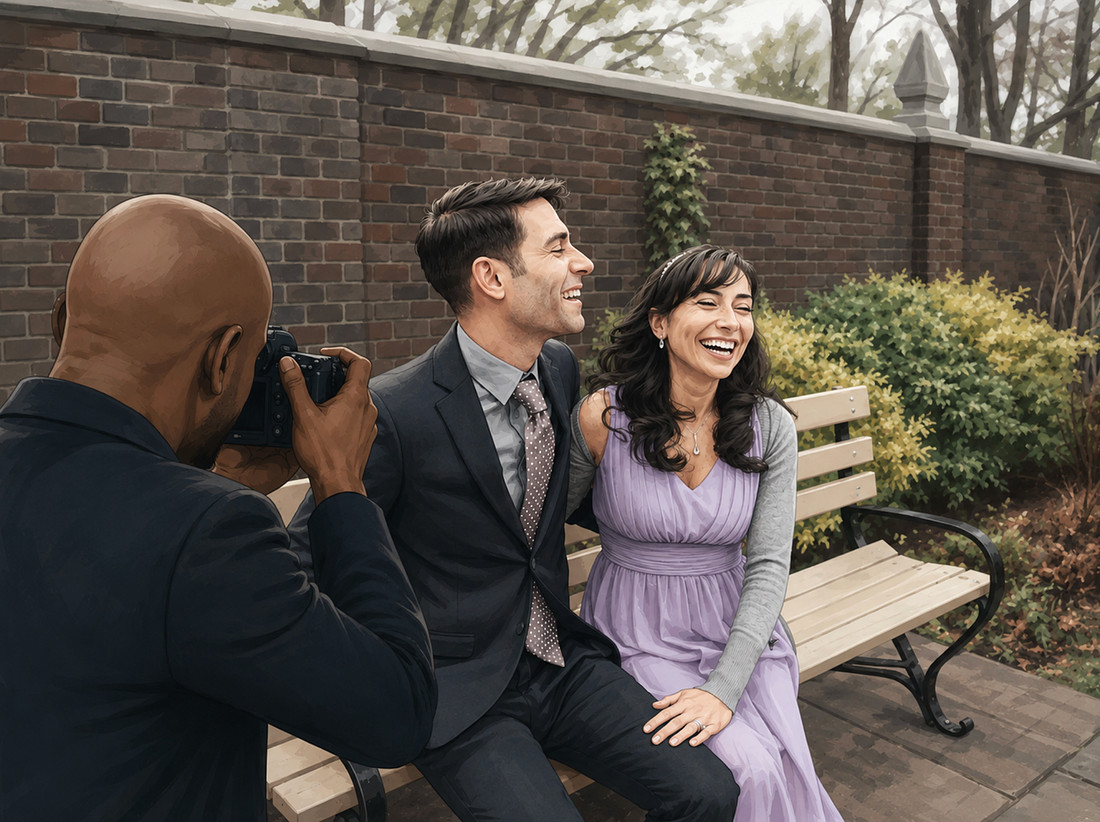
Anniversary photos can mark one year, 10 years, or any point in a relationship that feels worth documenting. The first decision is not what to wear or how to pose. It is what you want the photographs to show about your relationship now.
Some couples want a polished session followed by dinner. Others prefer a familiar neighborhood, park, coffee shop, or place connected to their history. Once you decide how you want the session to feel, the location, timing, clothing, and overall direction become easier to plan.
Decide What You Want to Remember
Before choosing a location, talk about what you want from the session.
Do you want formal portraits for your home? Relaxed photographs in a familiar setting? A mix of both? Are you celebrating a major anniversary, a recent change, or simply making time for updated photographs together?
You do not need to recreate your wedding day or repeat the style of older photographs. The session should reflect your relationship at its current stage.
Consider what has become part of your life together. That could include a new home, a neighborhood you enjoy, a weekend routine, a favorite restaurant, or a place you visit regularly.
Ask yourselves one question:
When we look at these photographs several years from now, what do we want to remember?
The answer can guide the rest of the planning.
Choose the Date and Time Carefully
The session does not have to happen on your exact anniversary. Work schedules, weather, travel, and available daylight may make another date more practical.
Seasonal conditions also affect the experience.
Spring brings fresh color but frequent rain. Summer offers longer evenings, although heat and humidity can affect comfort. Fall is popular in Pittsburgh because of the temperatures and changing leaves, but locations can become crowded. Winter can work well for city sessions, indoor locations, and photographs with a cleaner visual style.
The time of day matters just as much as the date. Late afternoon and early evening often provide softer outdoor light. Morning sessions can offer quieter locations and more comfortable temperatures during warmer months.
When I help a couple plan a session, I consider the location, season, available light, expected crowds, and how much walking may be involved before recommending a start time.
Select a Location That Fits the Session
A location does not need to be elaborate. It needs to support the type of photographs you want.
A personally significant place may be the right choice. This could be where you met, where you got engaged, the neighborhood where you first lived together, or somewhere connected to your normal routine.
When there is no specific location in mind, choose based on the visual direction you prefer.
A city setting can provide architecture, movement, and a structured appearance. A park or garden offers greenery, open space, and seasonal color. An at-home session can document a home you recently purchased, renovated, or built a family in.
Practical details matter too. Some locations require permits, restrict professional photography, charge admission, or become crowded during popular hours. Parking, walking distance, accessibility, and weather backup options should also be considered.
Coordinate Your Clothing Without Matching Exactly
Choose clothing that fits well, allows you to move, and makes sense for the location.
You do not need identical colors or matching outfits. Instead, choose colors that work together. Neutrals, earth tones, dark blues, muted greens, rust, burgundy, and simple jewel tones usually photograph well.
Avoid clothing with large logos, distracting graphics, neon colors, or very small patterns that may not photograph cleanly.
Movement is also important. A dress with some flow, a structured jacket, textured layers, or clothing that holds its shape can add visual variety. Shoes should be appropriate for the location, especially when the session involves grass, hills, steps, or uneven walkways.
One outfit is usually enough for a shorter session. A second outfit can provide variety, but changing clothes takes time away from photography. It works best when the session is long enough and the changing location is nearby.
Use Personal Items Selectively
Personal items can add context when they have a clear connection to the anniversary or the relationship.
You might bring champagne for a toast, flowers, a wedding album, handwritten notes, a vow book, or another item connected to an important memory.
The item should give you something natural to do rather than simply occupy space in the photograph. Pouring a drink, reading a note, looking through an album, or walking with coffee can create interaction without making the session feel staged.
Bringing several unrelated props can slow the session down and distract from the photographs. One or two carefully chosen items are usually enough.
Expect Direction Without Memorizing Poses
You do not need to arrive with poses prepared.
I guide couples through posture, hand placement, positioning, and movement throughout the session. Some photographs may involve looking at the camera, while others may include walking, talking, laughing, sitting together, or focusing on each other.
Most people need a few minutes to become comfortable in front of the camera. That is normal. The beginning of the session is often used to establish simple positions and make small adjustments before moving into more natural interaction.
You do not have to remain perfectly still or hold the same expression. Small movements and reactions often give the gallery more range.
Decide How You Plan to Use the Photographs
Think about where the images will go after the session.
You may want framed photographs for your home, an album, anniversary cards, gifts, or updated images for social media. Mentioning those plans before the session helps the photographer create the right variety.
A large wall print may require a horizontal composition with enough space around the couple. An album benefits from a mix of close portraits, wider environmental photographs, details, and different orientations.
Sharing your priorities in advance makes it easier to plan the session around the final purpose of the images.
Planning an Anniversary Session in Pittsburgh?
M4J Photography offers anniversary and couples sessions throughout Pittsburgh and the surrounding areas. Sessions include planning assistance, location guidance, professional direction, edited high-resolution images, a private online gallery, and a complimentary print release.
Couples photography begins at $450 for a one-hour session.
Contact M4J Photography to check availability and begin planning your anniversary session.
Why Smaller Weddings Still Deserve Photography
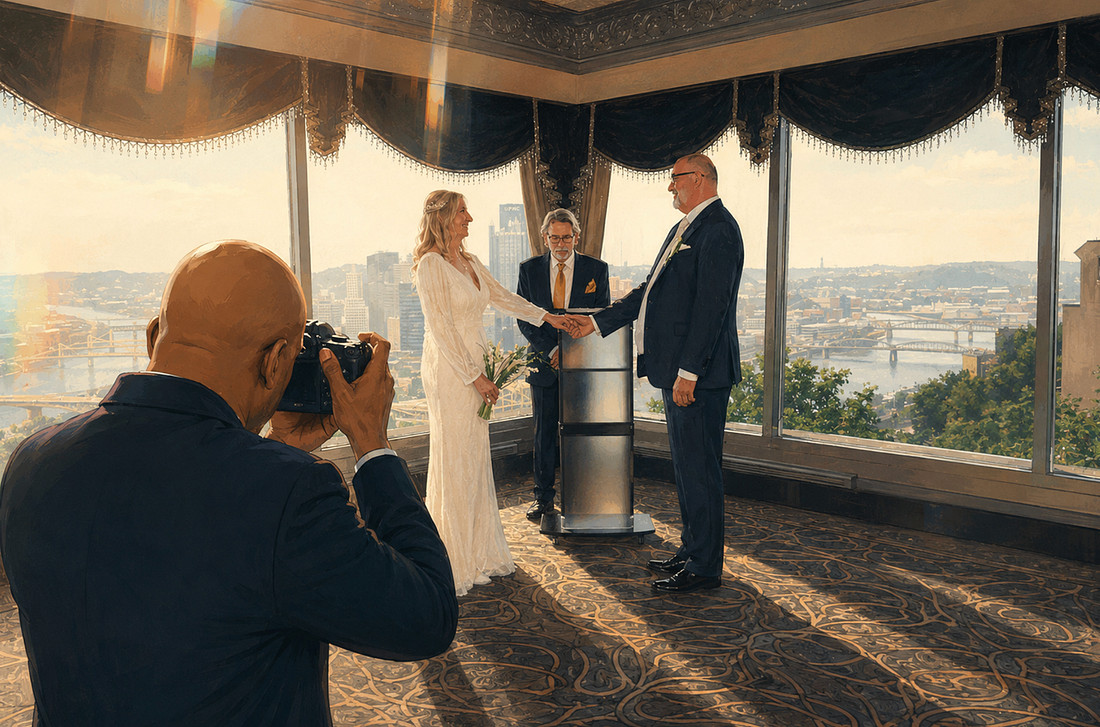

A smaller guest list does not make a wedding less meaningful. In many cases, it makes the day feel even more personal, which is exactly why smaller weddings still deserve professional photography. When the celebration is intimate, the moments are often quieter, closer, and easier to miss if no one is fully dedicated to documenting them.
There is a common assumption that if a wedding is small, photography can be informal too. A friend can take a few pictures. A relative can grab some phone shots. Someone can stand in for a professional because the day is simple. But simple does not mean unimportant, and small does not mean there is less to remember.
Smaller Does Not Mean Less Meaningful
A wedding with 15 guests can carry just as much emotional weight as one with 150. Sometimes, the smaller setting makes the day feel even closer. With fewer moving parts, people tend to be present. The conversation is personal. Reactions are easier to see. The couple often spends real time with the people they love most.
That changes the kind of images that matter.
At a large wedding, photography often has to balance scale, timing, and coverage across a busy schedule. At a smaller wedding, the value often comes from attention. A photographer has room to notice the hand squeeze before the ceremony starts, the look between parents during vows, or the way a grandparent watches the first dance. Those are not filler moments. They are part of the story.
Professional photography also gives the couple the chance to be fully in the day. When no one is assigning a cousin to take portraits or asking a friend to document the ceremony, everyone gets to participate as a guest. That matters in ways many couples do not expect.
Intimate Weddings Often Have More Emotional Detail
Smaller weddings tend to be intentional by nature. Couples may choose a backyard ceremony, a courthouse wedding, a private dinner, or a celebration with only immediate family and a few close friends. Those choices usually come with a clear reason. Sometimes it is about budget. Sometimes it is about family dynamics, travel, timing, or wanting something calmer and more personal than a large production. Sometimes the couple simply wants the day to feel close, intentional, and easy to be present for.
That intention shows up in the images.
When the event is smaller, details feel more connected to the people in the room. The bouquet may have been made by a family member. The dinner may happen at a favorite restaurant. The ceremony location may reflect a real part of the couple's life rather than a traditional venue choice. The day often feels less like a production and more like a meaningful gathering.
Those are exactly the kinds of stories that benefit from thoughtful photography. Not because the day needs to be made bigger than it is, but because it deserves to be seen clearly for what it is.
Professional Photos Do More Than Document the Ceremony
One of the biggest misconceptions about smaller weddings is that there is not enough happening to justify hiring a photographer. In reality, some of the most valuable images happen outside the ceremony itself.
There are getting-ready moments, family interactions, portraits of the couple, room details, candid conversations, hugs, laughter, and all the small transitions in between. If the wedding includes a dinner or celebration afterward, that part of the day often becomes even more important because the guest list is made up of the people closest to the couple.
Those photographs become part of family history. They are for albums, frames, announcements, family homes, and the people who will look back on them later. They matter even more when relationships shift, children grow up, or loved ones are no longer here.
That long-term value is easy to underestimate when planning. Many couples think about photography as a day-of service. It is more accurate to think of it as a lasting record of a once-only combination of people, place, and emotion.
The Smaller the Wedding, the More Every Person Matters
At a large wedding, it is normal that some guests may appear only briefly in the final gallery. At a smaller wedding, every person present usually has a close connection to the couple. That changes the importance of coverage.
If a wedding includes only parents, siblings, grandparents, and closest friends, each interaction has weight. A strong photographer understands that and photographs accordingly. The coverage has to go beyond wide shots of the ceremony. It should recognize who matters in the room and make sure those relationships are represented with care.
This is especially important for multigenerational family photos. Smaller weddings often create rare opportunities to photograph immediate family together in a meaningful setting, while everyone is dressed well and gathered for a milestone. That alone can make professional coverage worth it.
Why Phone Photos and Guest Coverage Usually Fall Short
Guests absolutely can capture a few sincere moments. Those images can be fun and worth keeping. But guest photography and professional photography serve different purposes.
Phone photos are often limited by lighting, composition, timing, and inconsistency. They may miss the key moment, blur during movement, or flatten a scene that felt beautiful in person. A friend taking photos may also be distracted by their own role in the day. They are there to celebrate, not to watch every angle, adjust for light, and anticipate emotion.
There is also a comfort issue. Couples tend to relax when someone experienced is guiding portraits and handling coverage with quiet confidence. A professional knows when to step in, when to stay unobtrusive, and how to make people look natural without turning the day into a long photo session.
That balance matters even more at intimate weddings, where the atmosphere is often calm and personal. The photography should support that feeling, not interrupt it.
Smaller Weddings Can Be Photographed With More Flexibility
One practical benefit of a smaller wedding is that photography can often be tailored closely to the day. Coverage does not always need to look like a traditional full wedding timeline.
Some couples want only the ceremony, portraits, and a few family photos. Others want documentation from getting ready through dinner. Some want the focus to be mostly candid. Others care deeply about portraits and detail images. A smaller event usually allows for flexibility in coverage because the pace is different and the priorities are clearer.
That does not mean less skill is required. If anything, intimate weddings often ask for a photographer who can shift smoothly between documentary observation and guided portraiture without making anything feel forced.
For couples in Pittsburgh planning a smaller celebration, that kind of intentional coverage often makes more sense than trying to fit the day into a standard wedding template.
The Photos Still Need to Work Beyond the Wedding Day
Wedding images rarely stay in one place. They show up in albums, framed prints, save-the-date keepsakes, family homes, thank-you cards, and announcements. They may also be shared with relatives who could not attend.
For smaller weddings especially, the final gallery often becomes how the day is communicated to everyone who was not there. That means the images need to feel complete. They should show the atmosphere, the people, the emotion, and the setting well enough that someone else can understand what the day felt like.
Professional photography helps create that full record. It gives the couple a set of images that are polished enough to display, personal enough to matter, and useful enough to share for years.
A Small Wedding Is Not a Small Milestone
There is a difference between keeping a wedding intimate and treating it like an afterthought. Couples who choose a smaller celebration are often making a deliberate decision about what matters most to them. The photography should reflect that same level of care.
Professional coverage is not about making the day look bigger than it was. It is about preserving it honestly and beautifully. It is about making sure the expressions, relationships, and details that defined the day do not depend on chance.
That is why a courthouse ceremony, backyard wedding, private vow exchange, or restaurant reception can be just as worthy of professional photography as a full-scale traditional event. The size of the guest list is not what makes a wedding significant. The meaning behind it is.
If the day matters enough to plan, invite people you love, and remember for the rest of your life, it matters enough to photograph with intention.
Small Wedding Photography for Intimate Weddings in Pittsburgh
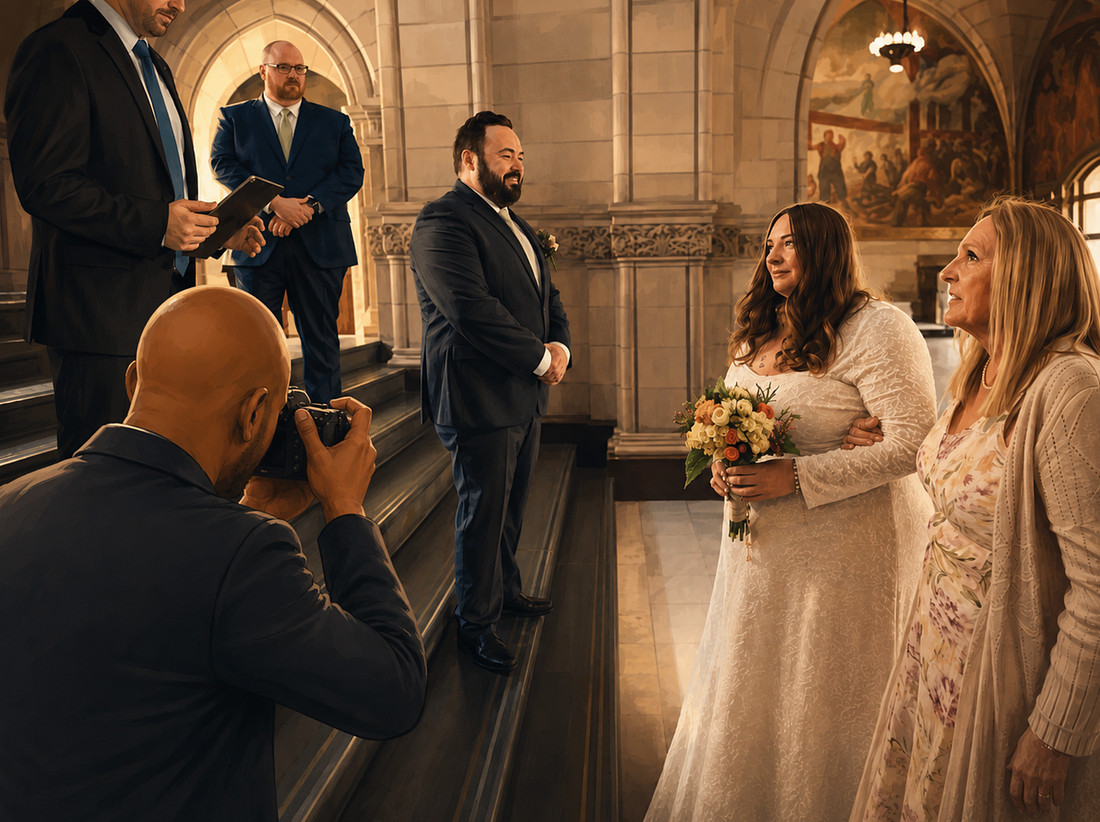
A smaller guest list changes more than the seating chart. With small weddings and intimate weddings, photography becomes less about covering a crowd and more about paying attention to the people, timing, details, and exchanges that define the day.
A 20-person wedding does not need the same photo approach as a 200-person ballroom celebration. The pace is different. The priorities are different. The pressure points are different. For many couples, a smaller wedding is not a scaled-down version of a larger event. It is the version that makes the most sense for how they want to celebrate.
Why small weddings photograph differently
Small weddings tend to give people more room to be present. Couples are not always getting pulled through a long timeline, a large wedding party, or a packed reception schedule. That can create better opportunities for photos that show how the day actually moved.
The guest list also changes the way the day feels. When only a small group of people is invited, every person in the room usually has a reason for being there. That makes the interactions more important. A look between parents, a quick exchange before the ceremony, a toast at dinner, or a quiet reaction from a close friend can carry more weight than a large-room overview.
Intimate weddings also make the setting more noticeable. A backyard, courthouse, private dining room, small venue, family home, or Pittsburgh location with personal value becomes part of the visual story. The space does not need to be large to photograph well, but it does need to be handled with attention to light, timing, angles, and how people naturally move through it.
What matters most in small wedding photography
The strongest small wedding photography usually comes from knowing what the day is actually about. You do not need a large guest count or a full-day schedule to create a strong gallery. You need a photographer who understands what to prioritize.
For some couples, that means family relationships. For others, it means clean portraits, ceremony coverage, details, dinner, speeches, or candid images of the people closest to them. Most couples want a mix. The goal is to create photos that are polished enough to print and share, while still showing the day as it actually happened.
Comfort matters here. Smaller weddings can feel more personal because there are fewer distractions. That can be a good thing, but it also means people may feel more aware of the camera. A photographer should be able to give direction when needed without making the day feel like it has been taken over by photos.
Small weddings need a smarter timeline
One of the biggest misconceptions about intimate weddings is that less people automatically means less planning. Sometimes that is true. But from a photography standpoint, smaller weddings still need a clear timeline because the important parts can happen quickly.
If the ceremony is short, there may only be a few minutes to capture the walk-in, vows, ring exchange, kiss, reactions, and exit. If the wedding is in one room, the light and layout matter even more. If the guest list is small, family portraits may move faster, but the candid moments between guests may be more important because each person present was chosen intentionally.
A simple timeline can protect the day without making it feel stiff. That may include getting-ready photos, a first look, ceremony coverage, family portraits, couple portraits, dinner, speeches, and candid reception coverage. The point is not to stretch the day longer than it needs to be. The point is to make sure the parts that matter are not rushed or missed.
The trade-offs couples should think about
Small weddings often feel calmer, more flexible, and more personal. They can give couples more control over the experience and may allow them to invest more in the setting, food, photography, or time with their guests.
But smaller weddings also come with trade-offs. A private room may have difficult lighting. A courthouse ceremony may move quickly. A backyard wedding may depend heavily on weather. A restaurant celebration may have limited portrait space. A short event may leave very little room for delays.
None of these are problems by themselves. They just need to be thought through before the day arrives. A photographer who understands small wedding photography should be able to work around tight spaces, shifting light, shorter timelines, and a more personal atmosphere without interrupting the flow of the day.
Choosing a photographer for an intimate wedding
The right photographer for an intimate wedding is not always the same photographer you would choose for a large traditional wedding. A smaller wedding needs someone who can be observant, organized, and calm without making the day feel over-managed.
You want someone who can move between different parts of the day without becoming distracting. That may mean quietly documenting the ceremony, stepping in for family portraits, giving simple direction during couple photos, and then fading back during dinner or the reception. The photographer’s presence should help the day feel easier, not heavier.
It also helps to look for someone who understands smaller weddings as their own category. Small weddings deserve the same level of care as larger weddings, but the approach should fit the size and feel of the event. The guest count may be lower, but the photos still need to be handled with care, consistency, and attention to what the couple actually values.
Why smaller weddings fit a different kind of photography
Large weddings often require a photographer to keep up with a full schedule, multiple groups, reception formalities, and a long list of expected images. Smaller weddings are different. They usually need a photographer who can pay attention to fewer people more closely.
That difference matters. At an intimate wedding, there may not be a large wedding party, a packed dance floor, or hours of reception coverage. Instead, the strongest images may come from the ceremony, the couple portraits, the family groupings, the table setting, the dinner conversation, or the way the couple interacts when there is finally a quiet minute.
This is where small wedding photography can be especially strong. The photos do not have to make the event look bigger than it was. They should make the event look clear, personal, and well-documented for what it actually was.
Small wedding photography in Pittsburgh
Pittsburgh has several settings that can work well for smaller weddings and intimate ceremonies. Courthouses, restaurants, private rooms, historic buildings, parks, overlooks, hotels, and small venues can all create a different feel depending on the couple’s plans.
The location does not need to be dramatic to work. What matters is how the space supports the day. A simple ceremony space with good light can photograph better than a larger venue with poor lighting and too many distractions. A quiet dinner with close family can create a stronger gallery than a rushed event built around a timeline that does not fit the couple.
For couples planning a smaller wedding or intimate ceremony in Pittsburgh, M4J Photography focuses on coverage that feels personal, organized, and calm without turning the day into a production.
The photos that matter most
The strongest photos from a smaller wedding are often the ones that show what the day actually felt like: the people who were there, the pace of the celebration, the setting, and the moments that would have been easy to miss.
That might be a parent helping with a jacket. A couple walking into the ceremony together. A small group gathered around a dinner table. A quiet laugh during portraits. A hand being held during the vows. A detail the couple chose because it meant something to them.
Small wedding photography should not try to make the day look like something else. It should give the couple a clear record of the wedding they actually planned, with enough care and structure to make the images useful long after the day is over.
Best Engagement Photos for Couples: What Actually Makes Them Work
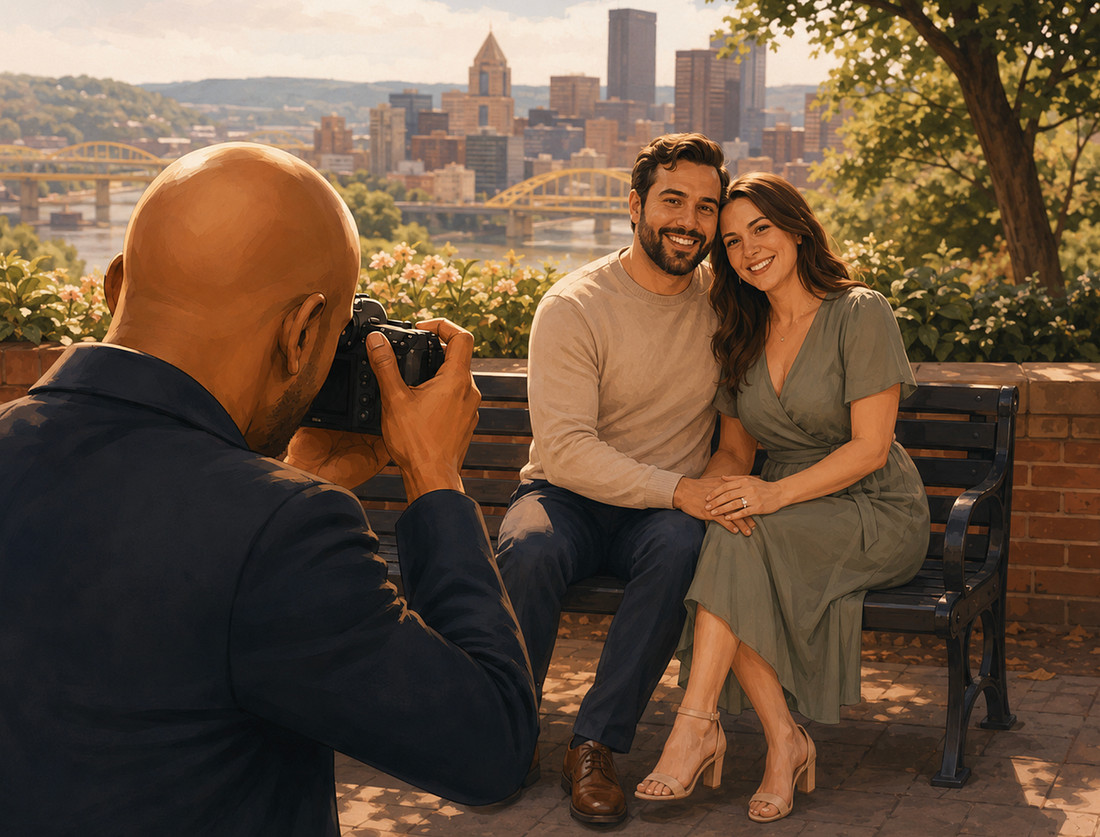 The best engagement photos for couples rarely come from posing alone. They come from a session that gives the couple enough direction to feel comfortable, while still leaving room for the smaller interactions that make the photos feel specific to them.
That matters because engagement photos usually have several uses. They may show up on save-the-dates, wedding websites, framed prints, social media, guest books, or thank-you cards. A strong session gives you images that feel personal, but also practical enough to use in the places you actually need them.
What makes the best engagement photos for couples?
The strongest engagement sessions have a clear sense of purpose. Some couples want images that feel classic and polished. Others want something more casual, playful, or tied to a favorite neighborhood, park, or routine. Neither approach is better. The best choice is the one that fits your relationship and how you actually want to remember this time.
A great photo usually has three things working together at once. First, the couple looks comfortable. Second, the setting supports the mood instead of distracting from it. Third, the photographer knows when to guide and when to step back. That balance is what keeps photos from feeling stiff or overly staged.
There is also a practical side to this. The best engagement images are useful. You want a mix of close-up portraits, wider environmental shots, and images with enough negative space for design if you plan to use them for printed wedding materials. A beautiful gallery matters, but a gallery that works well in real life matters too.
Start with the setting, not the pose
Many couples think the session begins with deciding how to stand. In reality, location does a lot of the work. It affects the tone, the wardrobe, the lighting, and how naturally you interact.
If you want timeless photos, cleaner backgrounds tend to age better. Parks, city streets with good architecture, bridges, and open spaces with soft evening light usually give you flexibility without making the photos feel busy. If your style is more personal, think about places with some connection to your story. Maybe it is where you got engaged, where you spend weekends, or a part of Pittsburgh that already feels familiar.
The trade-off is simple. Meaningful locations can add depth, but they are not always the easiest places to photograph. A crowded restaurant, a dark interior, or a busy downtown area at the wrong time can make it harder to create calm, flattering images. Sometimes the best answer is a place that feels connected to you without being the exact place tied to a memory.
The best engagement photo ideas often feel simple
Couples sometimes assume the gallery needs a long list of creative concepts. Usually, it does not. A strong session built around good light, comfortable movement, and genuine interaction will usually feel better than a session trying too hard to be different.
Some of the most reliable image types include walking together, standing close and talking, one person pulling the other in, sitting side by side, and a few direct portraits where both of you look at the camera. That mix gives you variety without making the session feel like a performance.
Closer images tend to feel intimate. Wider shots show place and atmosphere. A candid laugh is useful, but so is one well-composed portrait where you both look calm and connected. The best engagement photos for couples usually include both.
A few image types worth planning for
You do not need to over-script the session, but it helps to know what kinds of photos you may actually want later. Most couples benefit from a set that includes close-up portraits, full-length images, horizontal shots for announcements or websites, and a few less formal frames that show movement.
Detail photos can also matter more than people expect. Hands with the ring, a close crop of the two of you leaning in, or a small moment like fixing a jacket or brushing hair from a face can add variety and make the gallery feel complete.
This is where planning helps. The goal is not to create a rigid shot list. The goal is to make sure the final gallery has enough range to be useful after the session is over.
Outfit choices can help or hurt the session
Wardrobe does not need to be complicated, but it should be intentional. The goal is to look like yourselves on a good day, not like you borrowed someone else’s idea of what engagement photos should look like.
Solid colors usually photograph better than loud prints. Neutrals, richer earth tones, soft blues, and muted colors tend to keep attention on your faces. Coordinating works better than matching. If one person is dressed very formally and the other is in something casual, the imbalance will show. If both outfits fit the same level of formality, the photos feel more cohesive.
It often helps to bring two looks if the session allows for it. One can be a little more polished and one more relaxed. That gives you range without turning the session into a wardrobe production. Comfort matters here. If you are adjusting straps, tugging at fabric, or breaking in new shoes, it will show in the images.
Timing changes everything
Light has a major impact on how engagement photos feel. Late afternoon and early evening are often the most flattering because the light is softer and more dimensional. Midday can still work, but it usually requires more careful location choices to avoid harsh shadows and bright squinting.
Season matters too. Spring can be beautiful, though weather is unpredictable. Summer offers greenery and longer evenings, but heat and humidity can affect comfort. Fall is popular for good reason, with color and softer temperatures, though popular locations also get busier. Winter can be understated and clean, especially for couples who want quieter backdrops and more neutral tones.
The best season depends on the look and experience you want. If you like clean city architecture and a dressier style, winter or early spring may fit. If you want warmth, color, and movement, late summer or fall may feel better. There is no universally best month, only the best match for your style, comfort, and schedule.
Natural does not mean unplanned
One of the biggest misconceptions about engagement sessions is that natural photos simply happen on their own. Realistically, natural-looking images often come from thoughtful direction. A photographer may guide where you stand, how you turn toward the light, when to walk, or what small movement will make a pose feel less stiff.
That does not make the photos fake. It makes them flattering and intentional.
This is especially helpful for couples who say they are awkward in front of the camera. Most people are not professional models, and they do not need to be. What helps is clear guidance, a pace that does not feel rushed, and prompts that create interaction instead of forcing constant eye contact with the lens.
At M4J Photography, that balance matters. Couples usually want images that feel genuine, but they also want to look confident, comfortable, and like themselves. Those goals work together when the session has structure without feeling rigid.
How to make your engagement photos feel more personal
Personal does not have to mean heavily styled or overly sentimental. Often, it shows up in smaller choices. A location you already like. Clothes that feel true to your everyday style. An activity that gives your hands something to do. A pace that leaves room to talk, laugh, and settle in.
You can also think about how the photos will be used. If you know you want framed artwork at home, you may lean toward cleaner, more timeless compositions. If you mainly want save-the-dates and online sharing, you may want more variety and a few playful images. If your wedding style is formal, your engagement session does not have to match it exactly, but it should still feel like it belongs to the same couple.
This is where planning pays off. The session works best when it reflects both your relationship and the practical uses for the images afterward.
Common mistakes couples make
The most common issue is trying to fit too much into one session. Too many locations, too many outfits, or too many shot ideas can make the whole experience feel rushed. Variety is good, but a calm, focused session usually leads to stronger results.
Another mistake is choosing a location only because it looks popular online. A beautiful spot that feels disconnected from your personality may photograph well, but the final images can still feel generic. The opposite can happen too. Couples sometimes choose a meaningful place that is visually difficult and then wonder why the gallery feels less polished. The right answer is usually somewhere in the middle.
It is also easy to underestimate how much comfort affects the final images. If you are cold, stressed, late, or worried about every pose, the photos will reflect it. Building in enough time, wearing clothes you can move in, and trusting the process can make a bigger difference than most couples expect.
The photos you will value most later
Later on, you probably will not care whether every pose followed a trend. You will care whether the photos still feel specific to the two of you. That is why the best engagement sessions are built around comfort, usefulness, and a clear sense of what the images are meant to do.
The best engagement photos for couples are usually the ones that still feel specific after the session is over. The location makes sense. The clothes feel like the couple. The images have enough variety to be useful. And the final gallery looks like two people who were guided well without being turned into a performance.
Engagement and Couples Photo Sessions That Feel Natural
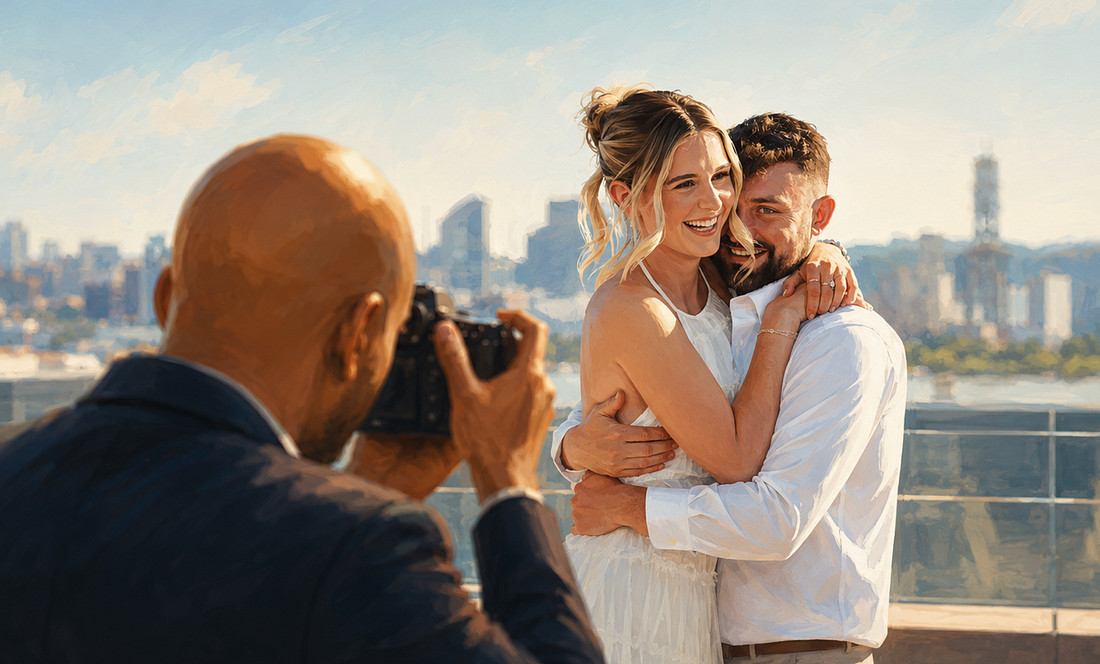 A lot of couples worry about the same thing before engagement photo sessions: what if we feel awkward the whole time? That concern makes sense. Most people are not used to being photographed in a personal way, and very few couples show up already knowing what to do with their hands, where to stand, or how to act natural when a camera is pointed at them.
A strong engagement session is less about performing and more about creating the right amount of comfort, direction, and space for the two of you to settle in. Good photos usually do not happen because a couple knows how to pose perfectly. They happen when the session is planned well and the photographer knows how to guide people without making them feel stiff.
Why engagement photo sessions matter
Engagement photo sessions are often treated like something to check off before a wedding, but they can serve a bigger purpose. The photos can be used for save-the-dates, wedding websites, guest books, framed prints, or announcements, but the session also gives you a chance to get comfortable being photographed together before another important event or celebration.
That part matters. When couples have already spent time in front of the camera together, they usually have a better sense of what feels natural, how the photographer gives direction, and how small adjustments can change the final image. The session becomes a way to build trust before the next time you are photographed.
There is also value in setting aside time for photos before everything gets busier. Wedding planning, work schedules, family responsibilities, and everyday life can move quickly. A good engagement or couples session gives you a chance to slow down for a little while and create images that reflect this part of your relationship without making the experience feel overly staged.
What makes an engagement session feel natural
Natural does not mean unplanned. In many cases, the couples who look the most relaxed are the ones whose sessions were thought through ahead of time. Location, timing, wardrobe, and pacing all shape how the images feel.
A location should make sense for you. That does not always mean choosing the biggest view or the most dramatic backdrop. Sometimes the best setting is one that gives you room to move, talk, and settle in without feeling like you are on display. In Pittsburgh, that could mean a city location with clean architecture, a quieter park, a neighborhood you already enjoy, or a place connected to your relationship. The right setting should support the session instead of competing with it.
Timing matters too. Soft evening light is popular because it is usually flattering, but timing is also about energy. If one of you is rushing from work, hungry, stressed, or trying to squeeze the session into an already packed day, that can show up in the photos before the lighting ever matters. Choosing a time when you can actually slow down makes the session easier from the start.
The pace of the session matters as well. Couples usually need a few minutes to settle in. The strongest images often happen after that first adjustment period, when you stop thinking as much about the camera and start focusing more on each other. A session should leave room for that shift.
Planning engagement photo sessions with purpose
The most useful approach is to think beyond the general idea of getting nice pictures. Ask what you want the photos to communicate. Do you want them to feel polished and classic? Relaxed and everyday? A little more editorial? More playful? There is no single correct answer, but having a clear direction helps shape the location, wardrobe, timing, and overall feel of the session.
Choose a location that fits your relationship
A meaningful location can add depth, but only if it feels natural for the two of you. Some couples like a scenic overlook, downtown architecture, or a more polished city setting. Others feel better in a quieter park, a familiar neighborhood, or a place where they do not have to think as much about people watching.
What works best depends on your comfort level and your style. Busy public spaces can create energy and variety, but they require flexibility. Quieter settings can feel more personal, though they may offer less visual contrast. A good photographer can work in either environment, but the location should match the kind of experience you actually want.
Wear something that feels like you
Outfits do not need to be elaborate to photograph well. They need to feel intentional and comfortable. The goal is to look like a polished version of yourselves, not like two people dressed for a completely different relationship.
Neutrals, classic textures, and coordinated colors usually photograph well without becoming distracting. Personal style still matters. If one person feels best in something structured and the other is more comfortable in something casual, there is usually a middle ground. The best wardrobe choices balance comfort, fit, and visual consistency.
It also helps to avoid making the whole session about the clothes. If you are constantly adjusting an outfit, worrying about shoes, or feeling unlike yourself, that tension can show. Looking good matters, but being able to move, walk, sit, and interact naturally matters more.
Think about how the images will be used
This is one of the most overlooked parts of planning engagement photo sessions. If you know you want images for save-the-dates, framed prints, a wedding website, announcements, or social media, that can influence how the session is photographed.
A close portrait works differently from a wider image with room for text. A more formal outfit may fit one use, while something softer and more casual may fit another. You do not need to plan every image ahead of time, but it helps when the session is built around real uses instead of vague expectations.
What to expect during the session
Most couples do better with guidance than they expect. Being told to “just act natural” can actually make people more self-conscious. Clear direction usually creates more comfort, not less.
That direction should feel simple and human. A photographer can guide you through movement, conversation, eye contact, spacing, and small adjustments that look polished without feeling rigid. Sometimes the strongest image happens between directions, when you are laughing at a missed cue or settling back into each other after moving.
There is always a balance between candid and directed. Too much posing can make photos feel stiff. Too little direction can leave couples unsure of what to do. A good session usually includes both: enough structure to keep the images flattering and enough flexibility to keep them from feeling forced.
Common concerns couples have
One of the biggest concerns is feeling awkward. Another is worrying that one person will be less comfortable than the other. Both are common, and neither means the session will go badly.
Often, one person is excited and the other is only mildly interested. That does not ruin the session. It usually means the photographer needs to keep the experience simple, steady, and comfortable. Shorter prompts, less pressure, and a good pace can make a major difference.
Another concern is whether the photos will look too posed or too casual. That comes down to communication. If you want images that feel clean and polished, say that. If you want warmth and movement more than formality, say that too. Strong photos come from knowing the goal before the session starts.
Weather is another variable. Cloud cover, light wind, or cooler temperatures do not automatically ruin a session. Overcast days can actually create balanced outdoor light. The bigger issue is comfort. If weather affects how you look, move, or feel in a major way, it helps to have a backup plan rather than forcing a session that no longer works.
Why the right photographer makes the difference
Engagement sessions are personal. The photographer is shaping the pace, reading body language, giving direction, and helping two people feel comfortable without making the experience feel overly produced.
That is why style alone is not enough. Beautiful work matters, but so does the ability to guide people well. A strong session comes from a photographer who pays attention to comfort, understands how the images will be used, and knows when to step in with direction and when to step back and let the interaction happen naturally.
For couples in Pittsburgh, that often means finding someone who can balance the personal side of the session with a polished final result. M4J Photography approaches engagement and couples sessions with that balance in mind: images that feel warm, natural, and personal while still being strong enough to use, share, and print with confidence.
The strongest engagement photos usually come from a session where the couple feels comfortable enough to stop thinking about the camera. When the location, pacing, and direction all feel natural, the photos have a better chance of looking like the relationship instead of a performance.